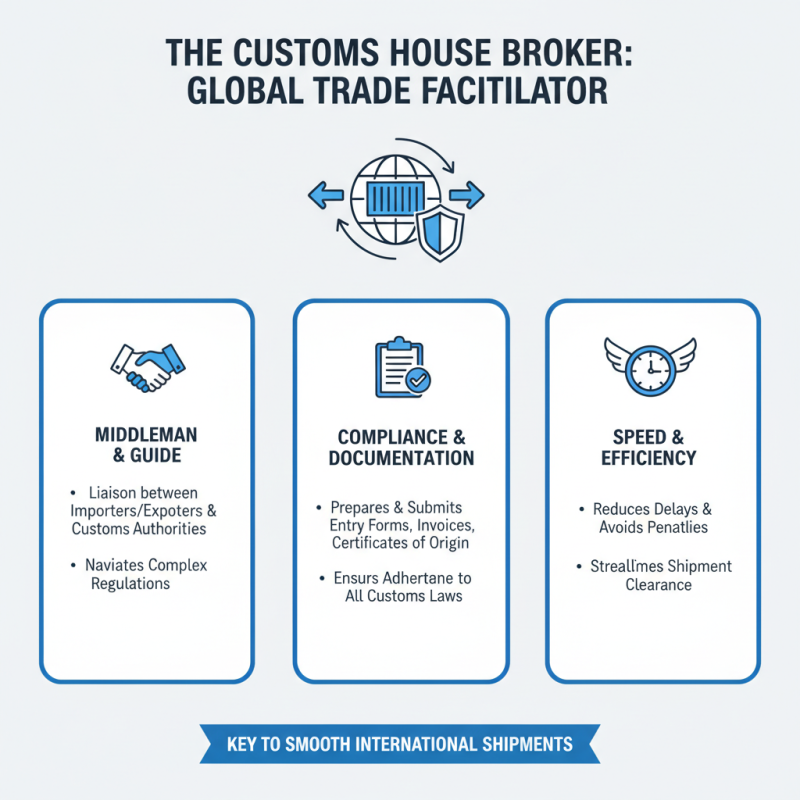
In the complex world of international trade, understanding the role of a CHB broker is essential. As John Smith, an expert in customs brokerage, states, "A CHB broker connects importers and customs, ensuring compliance and efficiency." This insight highlights the vital function of CHB brokers in facilitating smooth transactions.
CHB brokers act as intermediaries between importers and the customs authorities. They navigate through regulations and paperwork, allowing goods to move seamlessly across borders. This industry demands a keen understanding of logistics and customs laws. Not all brokers are the same, and the quality of service can vary.
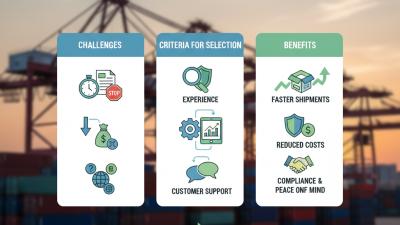
Many businesses struggle to find reliable CHB brokers. Some may encounter delays or unexpected costs. These challenges lead to frustrations that can hinder trade operations. Finding a well-rated CHB broker requires research and careful consideration. The right broker can prevent costly mistakes and streamline the import process.

A CHB (Customs House Broker) plays a vital role in international trade. They act as intermediaries between importers, exporters, and government customs authorities. Their primary task is to ensure that shipments comply with all customs regulations. This involves preparing and submitting necessary documentation. These documents include entry forms, invoices, and certificates of origin.
Navigating the complexities of customs regulations is no small feat. A CHB broker must possess extensive knowledge of tariffs and trade agreements. They also need to stay updated on regulatory changes that could affect their clients. This often requires a detailed understanding of specific industries and products. Their expertise can save time and prevent costly delays in the shipping process. However, mistakes can happen. A minor error in documentation can lead to significant issues. Misunderstanding regulations may result in fines or shipment holds.
Effective communication is essential for a CHB broker. They must relay information accurately between parties involved. Clear explanations help avoid confusion on both sides. It’s worth noting that building a good relationship with customs officials can streamline operations. Yet, the pressure of meeting deadlines may lead to oversights. These challenges highlight the importance of continuous learning in this field. Although CHB brokers provide essential services, the nature of their work warrants constant vigilance.
A CHB broker plays a crucial role in customs clearance. They ensure that goods comply with national laws and regulations. This process can be complex, requiring deep knowledge of tariffs and import/export restrictions. According to industry reports, nearly 30% of shipments face delays due to improper documentation. CHB brokers help avoid these pitfalls.
One key responsibility of a CHB broker is to prepare and submit required documentation. This includes entry forms, invoices, and shipping documents. Accurate data entry is vital. A small mistake can lead to significant fines or cargo delays. Recently, it was reported that up to 20% of all shipments experience issues related to documentation errors. Such statistics highlight the importance of a reliable broker.
Communication is also a major aspect. The CHB broker must liaise with customs authorities and clients. Misunderstandings can arise, leading to unnecessary complications. Effective communication helps ensure transparency. Brokers often face challenges in managing ever-changing regulations. They must adapt quickly to remain compliant. This ongoing need for adaptation is sometimes overlooked, yet it is essential for smooth operations.
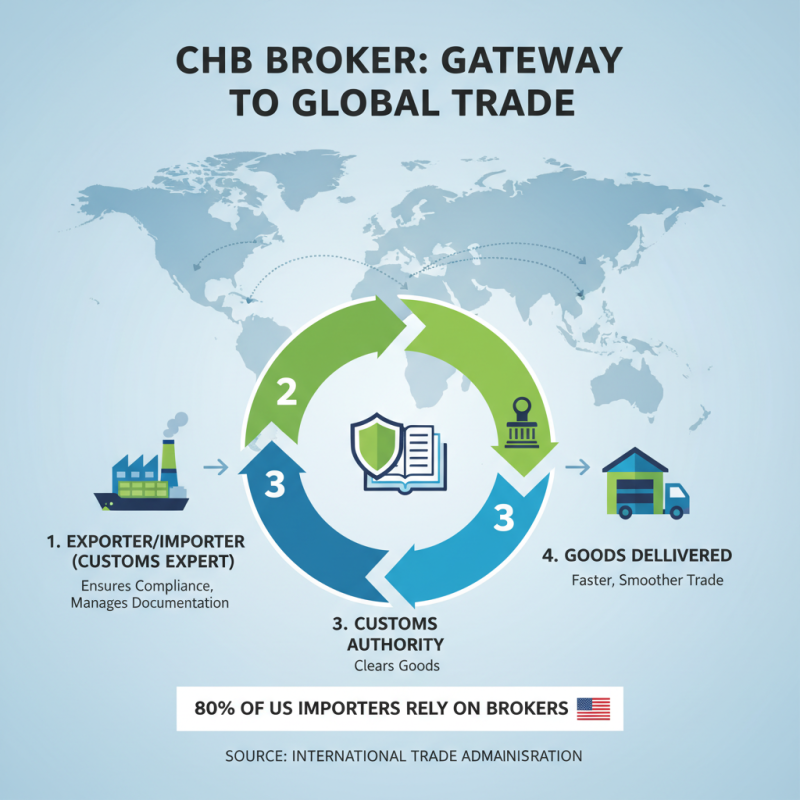
The process of how a CHB broker facilitates import and export is crucial for smooth international trade. A CHB broker, or customs house broker, acts as an intermediary between businesses and customs authorities. They ensure compliance with various regulations and streamline the customs clearance process. According to the International Trade Administration, about 80% of U.S. importers rely on brokers for this essential service.
When a shipment arrives, the CHB broker gathers required documentation. This includes commercial invoices, bills of lading, and packing lists. They assess tariffs and duties, providing accurate calculations. Data shows that errors in this stage can lead to costly delays. In fact, around 22% of shipments face customs delays due to paperwork errors. Attention to detail is vital.
**Tip:** Always double-check documents for accuracy. Even minor mistakes can cause unexpected delays.
Once documentation is processed, the broker submits filings electronically to customs. They communicate closely with customs officials to resolve any issues. This phase requires knowledge of changing regulations. The pandemic showed that over 30% of global supply chains faced disruptions. Brokers need to adapt quickly to these changes.
**Tip:** Build strong relationships with your CHB broker. Good communication can help navigate challenges.
The role of a CHB broker is often overlooked. However, their expertise is crucial in avoiding complications. The ever-evolving trade landscape can be daunting. A reliable broker can help alleviate this stress. Their contributions are significant, yet often taken for granted.
Using a CHB broker can offer numerous advantages for both businesses and individuals. One significant benefit is the expertise these brokers bring to the table. They are knowledgeable about customs regulations and procedures. Navigating the complex world of imports and exports can be tricky. A CHB broker simplifies this process, saving time and effort.
Another advantage is cost-effectiveness. Businesses may think they can manage logistics independently. However, a misstep in customs compliance can lead to expensive fines. A CHB broker helps avoid these potential pitfalls. They have established relationships with customs officials. This access can lead to smoother clearance processes. Importers often find that the initial investment in a broker pays off.
For individuals, a CHB broker can simplify personal shipments. Whether sending gifts or personal items abroad, they can streamline paperwork. It reduces stress and uncertainty. However, there are areas where users need to be cautious. Not every broker provides the same level of service. Research is essential. Choose a broker with a solid track record for peace of mind.
| Dimension | Description | Benefits |
|---|---|---|
| Expertise | CHB brokers are experts in customs regulations and procedures. | Ensure compliance and avoid penalties. |
| Efficiency | They streamline the process of importing and exporting goods. | Faster clearance times and reduced delays. |
| Cost Savings | Help businesses to avoid extra costs associated with delays and compliance issues. | Lower overall shipping costs and fines. |
| Documentation | Handle all necessary customs documentation and paperwork. | Reduces workload for businesses. |
| Risk Management | Assess and mitigate risks associated with international trade. | Improves security of shipments and compliance. |
CHB brokers play a vital role in international trade. They facilitate customs clearance for goods entering or leaving a country. This process is complex and requires strict adherence to regulations. One key aspect is compliance with local laws.
Regulations for CHB brokers are stringent. They must maintain licenses and certifications. This ensures they understand customs laws and procedures. Additionally, brokers must keep up with changing regulations. Failing to do so can lead to costly penalties, both for brokers and their clients.
There are risks involved as well. Sometimes, brokers might overlook important documentation. This oversight can delay shipments and increase costs. Brokers need to be vigilant and proactive. Continuous training is essential for them to stay updated. Compliance is not just a box to check; it’s fundamental to their operation.