Choosing China’s best logistic transfer services requires more than comparing quoted prices. Global buyers need dependable movement between factories, warehouses, ports, and final destinations. A strong provider should coordinate these stages with clear records and practical communication.
Experienced sourcing teams often inspect packaging, confirm cargo counts, and photograph cartons before dispatch. They also check supplier documents, product descriptions, customs requirements, and destination restrictions. This process reduces avoidable delays. It cannot remove every risk.
A reliable logistic transfer partner should offer warehouse receiving, consolidation, labeling, shipment tracking, and exception handling. Real-time updates matter when a container waits at a busy port. A missed scan or unclear invoice can quickly create extra storage costs. Good providers explain these problems early.
Professional buyers should compare service scope, insurance terms, handling charges, transit estimates, and customer references. Certifications and years in operation provide useful evidence, but neither guarantees perfect performance. I would also request a sample workflow before signing a long-term agreement.
Small details matter.
For example, does the warehouse count every carton? Are fragile items separated from heavy goods? Can staff provide time-stamped loading photos? These answers reveal operational discipline better than polished sales language.
The best choice depends on product type, shipment volume, destination, and required delivery speed. A provider experienced with electronics may not suit furniture or temperature-sensitive goods. Buyers should verify current regulations with qualified customs professionals and official authorities.
No service is flawless. Delays, weather, port congestion, and documentation errors still happen. The trustworthy partner is the one that reports issues honestly, proposes lawful solutions, and protects shipment visibility from pickup to delivery.
China logistic transfer services connect overseas buyers with suppliers, warehouses, carriers, and customs processes. They usually receive products, check quantities, combine parcels, and arrange international delivery. Some providers also offer repacking, labeling, inventory storage, and shipment tracking.
A reliable service should provide clear warehouse records and practical communication. For example, staff may photograph cartons, measure dimensions, and report damaged packaging before dispatch. Consolidation can reduce shipping costs when several suppliers send goods to one warehouse. Export documents must match the real cargo, including product descriptions, quantities, and declared values. Experienced teams also explain delivery routes, estimated transit times, insurance options, and destination requirements. Customs decisions remain important. No provider can guarantee clearance in every country.
Tips: Confirm the service scope before payment. Ask how inspections are recorded and how storage fees are calculated. Use strong inner packaging for fragile items. Check whether the shipping method suits your product and destination. Keep invoices and compliance documents available. A perfect process is rare. I have found that small measurement errors can change freight costs, so carton data deserves a second review.
A China-to-global transfer begins with accurate product data, not a shipping quote. Buyers confirm dimensions, weight, packaging, destination, customs documents, and delivery terms. A warehouse then checks cartons, labels each unit, and records photographs before loading. Small errors matter. One incorrect carton count can change freight costs and delay clearance.
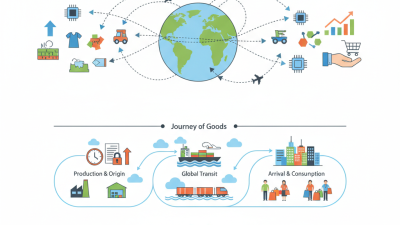
The route usually includes domestic pickup, warehouse receiving, export preparation, international transport, destination customs, and final delivery. Sea freight carries about 80% of global merchandise trade by volume, according to UNCTAD’s Review of Maritime Transport. Air freight suits urgent, compact shipments, but its cost rises quickly with dimensional weight. Consolidated cargo can reduce spending, although it adds handling points and potential delays.
The World Bank’s 2023 Logistics Performance Index surveyed 4,090 logistics professionals across 139 countries. It measures customs, infrastructure, international shipments, logistics competence, tracking, and timeliness. These measures explain why transfer quality depends on visibility, not only speed. Buyers should request milestone updates, inspection records, and exception notices. Tracking can still be imperfect. Weather, port congestion, document corrections, or destination inspections may disrupt a carefully planned schedule. Clear responsibility for each handoff helps prevent confusion, especially when several transport providers manage one shipment.
Small global buyers often need flexible transfer services rather than the fastest option. Consolidated sea freight suits small cartons with predictable delivery windows. It reduces cost when a full container is unnecessary. Air freight works better for urgent samples, seasonal stock, or replacement parts. The trade-off is clear: speed increases transportation cost.
Growing retailers may prefer regular container transfers or rail-linked services. These options can balance cost, capacity, and transit time. Bulky furniture, machinery, and packaged materials usually need full-container sea transport. Port-to-door delivery can simplify inland handling. However, buyers should confirm unloading limits, delivery appointments, and local customs requirements before booking.
High-value buyers need stronger visibility. Choose services with shipment milestones, document checks, cargo insurance options, and responsive exception handling. A reliable provider should explain transfer points, estimated delays, and responsibility under the selected trade term. Do not judge service quality by price alone. A low quote may exclude terminal fees, storage, or final-mile delivery. I have seen purchasing plans fail because the buyer compared rates but ignored warehouse cut-off times. That mistake is easy to repeat. Small test shipments, clear packing lists, verified supplier documents, and written delivery terms create a safer process. Seasonal buyers should also allow extra time around port congestion and public holidays.
Comparing logistics providers requires more than checking the lowest freight quote. Ask for a complete landed-cost sheet covering pickup, export handling, warehousing, customs documentation, insurance, and destination charges. The World Bank’s 2023 Logistics Performance Index evaluates customs, infrastructure, international shipments, logistics competence, tracking, and timeliness. Use these dimensions when interviewing providers. Data matters.
Delivery Time & Route Planning Delivery time should be tested against the shipping method and route. UNCTAD’s Review of Maritime Transport 2024 reported that maritime trade grew 2.4% in 2023, while disruptions continued to affect schedules. Request separate estimates for port-to-port and door-to-door service. A provider promising five days may exclude clearance or final-mile delivery. That difference can damage inventory planning.
Quotation & Provider Verification Compare at least three written quotations. Check whether rates are fixed, variable, or dependent on fuel and currency changes. Ask for recent on-time performance, loss procedures, tracking frequency, and proof of customs experience. A reliable operator should explain delays clearly, not hide behind vague wording. I would also test a small shipment before committing to large volumes. It costs more initially. Still, this reveals packaging weaknesses, communication gaps, and unexpected fees. No comparison is perfect, because seasonal congestion and inspections can change delivery results. Build a realistic buffer instead of trusting the fastest estimate.
China Best Logistic Transfer Services for Global Buyers?
Choosing a logistics transfer service requires more than comparing freight prices. Buyers should verify the company’s business registration, transport permits, warehouse address, and responsible contact. Ask for current documents, not screenshots from an old quotation.
Compliance checks should cover accurate product descriptions, HS codes, commercial invoices, packing lists, and country-of-origin records. The service provider should explain who handles customs filings and how corrections are approved. Check whether cargo insurance covers loss, water damage, theft, and delays. Confirm the policy limits in writing. Small wording matters.
Risk controls should include sanctions screening, restricted-party checks, cargo tracking, and documented handover points. Use contracts that define delivery terms, liability, inspection rights, and payment milestones. Avoid paying the full amount before shipment evidence is available. A live warehouse video can help, but it is not proof of ownership or compliance. Independent verification is better.
Experienced buyers also test communication before booking a large shipment. Send a simple scenario: a damaged carton, a customs question, or a delayed vessel. Observe the response time and the evidence provided. Weak answers are a warning. Even careful reviews can miss local changes. Recheck permits and regulations before every major shipment.
The chart shows China’s 2023 Logistics Performance Index component scores on a 1–5 scale. Global buyers should use these operational indicators together with shipment-level controls, including HS-code validation, Incoterm confirmation, importer-of-record checks, sanctions screening, cargo insurance, document verification, tracking, and proof-of-delivery procedures.
Source: World Bank, Logistics Performance Index 2023. Higher scores indicate stronger perceived logistics performance.