How to Choose an Electric Trike Scooter in 2026?

Choosing an Electric Trike Scooter in 2026 is not simply a matter of comparing prices or advertised range. It is a practical decision about stability, comfort, charging habits, and daily confidence. A three-wheel design may feel reassuring on a smooth driveway, yet behave differently on wet pavement or uneven sidewalks. This guide examines the details that often matter after the first exciting test ride.

Real-world experience should guide the decision. Consider where the scooter will be used, from crowded market paths to a quiet residential street. Measure doorways, storage areas, and the space needed to turn around. Check the seat height, handlebar reach, braking response, tire size, lighting, and weight before trusting a product description. A claimed range can change with rider weight, temperature, hills, tire pressure, and cargo.

Small details matter.

Reliable advice also means looking beyond attractive specifications. Battery certification, warranty coverage, replacement parts, service support, and clear safety instructions deserve close attention. Buyers should confirm current local requirements for speed, road access, lighting, and protective equipment before riding. These rules can differ between cities and may change over time. A dealer’s confident explanation is useful, but written documentation is better.

No model is perfect. A larger battery can add weight, while a compact frame may reduce comfort. Wider rear wheels can improve balance but make narrow entrances difficult. This article will help readers compare those trade-offs honestly and select an Electric Trike Scooter that fits their body, routes, storage space, and realistic budget. Be willing to reconsider the first choice.
How to Choose an Electric Trike Scooter in 2026?

Understanding Electric Trike Scooters and Their Main Types

How to Choose an Electric Trike Scooter in 2026?

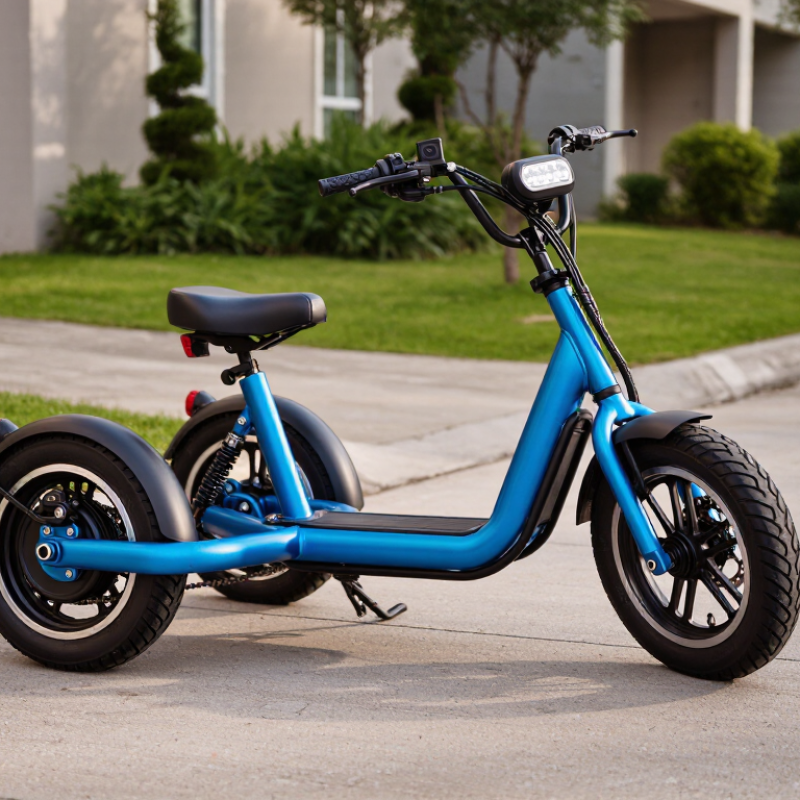
Understanding the main types helps you choose with fewer surprises. A delta trike has one front wheel and two rear wheels. It usually feels familiar, offers a tight turning circle, and suits paved streets or shopping areas. However, its rear width can make narrow ramps awkward. A tadpole trike reverses that layout, with two front wheels and one rear wheel. This design often feels steadier during turns and braking. It can suit riders who value confident handling, although the front section needs more clearance.

Some electric trike scooters use a folding frame for apartments, car trunks, or occasional travel. Others have a longer utility frame, larger basket, stronger motor, and wider tires. Utility models can carry groceries over uneven paths, but added weight may reduce range. Check the claimed range carefully. Cold weather, hills, rider weight, and tire pressure can change real results. I once assumed a larger battery solved everything. It did not. Poor tire pressure still made the ride feel heavy.

Tips: Sit on the scooter and test the steering before buying. Check whether both feet rest naturally on the deck. Measure your doorway, lift, and storage corner. Look for adjustable speed settings, visible lights, reliable brakes, and a clear battery display. Ask about charging time and replacement parts. A smooth, moderate test ride reveals more than impressive specifications. When possible, test a turn on a slight slope. That small detail may expose a stability problem early.

Assessing Your Riding Needs, Terrain, and Budget

How to Choose an Electric Trike Scooter in 2026?

Choosing an electric trike scooter starts with your real riding routine, not a glossy specification sheet. I would measure daily routes, storage space, and the weight of regular cargo. A wide seat may feel comfortable, but it can complicate narrow doorways and crowded paths. Check the turning radius before purchasing. It matters more than many buyers expect. Consider whether you need one hour of riding or several short trips between charges. Battery range depends on rider weight, temperature, tire pressure, and hills.

Terrain should guide the motor, braking system, and wheel design. Flat pavement may require modest power, while steep streets demand stronger hill performance and reliable braking. Test the scooter on a familiar incline if possible. Listen for rattling. Notice whether the frame feels stable during slow turns. Your budget should include assembly, maintenance, replacement batteries, insurance where applicable, and safety equipment. The cheapest option can become expensive after frequent repairs. I once underestimated storage costs, and that mistake changed my buying priorities.

Tips: Write down your weekly routes and cargo needs. Measure your doorway and elevator. Compare the stated range with real-world conditions. Ask about service access and battery replacement. Leave money for a helmet, lights, and weather protection. Do not ignore comfort; a painful seat can end a promising commute.

How to Choose an Electric Trike Scooter in 2026? — Assessing Your Riding Needs, Terrain, and Budget

Use this guide to compare common riding needs with practical features. Distance and battery figures are planning estimates, not guaranteed range: rider weight, hills, temperature, tire pressure, cargo, and assist level all affect real-world performance. Budgets are approximate U.S. purchase-price ranges in USD and vary by configuration and seller.

Riding need Typical daily round trip Terrain and route Features to prioritize Battery and range planning Approximate budget
Short neighborhood trips
Errands, local visits, and recreational rides
Up to 8 miles Mostly flat, paved streets or smooth paths Stable low-speed handling, comfortable seat, easy-to-reach controls, lights, and dependable brakes A smaller battery may be sufficient for short trips; allow extra capacity if you expect frequent stops or want fewer charging cycles. $1,200–$2,200
Regular commuting
Daily travel to work, school, or transit
8–20 miles Mixed paved roads, crossings, and occasional rough patches Weather-ready electrical components, fenders, lights, parking brake, adjustable fit, and a battery that can be removed for indoor charging Consider roughly 500–700 Wh for this distance, with more capacity if the route is hilly or carrying a heavy load. $1,800–$3,200
Hilly routes
Rides with sustained climbs or frequent gradients
5–15 miles Rolling or steep terrain, paved or compacted surfaces Strong hill-start assistance, suitable gearing, effective brakes, and a test ride on a representative slope Plan for greater energy use on climbs; a battery around 600–900 Wh may provide useful reserve, depending on route and load. $2,000–$3,800
Groceries or light cargo
Carrying bags, work items, or small loads
5–15 miles Mostly paved routes; some curbs or uneven surfaces Rated cargo capacity, secure racks or baskets, a low center of gravity, parking brake, and enough room to mount and dismount safely Check the total permitted load, including rider and cargo. Extra weight can reduce range, so choose battery capacity with a reserve. $1,800–$3,500
Long recreational rides
Extended outings with few charging opportunities
20–35 miles Varied paved paths and roads; conditions may change during the ride Comfortable ergonomics, clear battery gauge, puncture-resistant tires, serviceable components, and a charging plan for longer outings Look for a larger battery, often around 700–1,000 Wh, and treat advertised maximum range as a best-case figure rather than a guarantee. $2,500–$4,500
Limited storage space
Apartment, small garage, or shared storage
Up to 10 miles Short, mostly flat urban routes Check overall length, width, turning space, folded dimensions if applicable, battery-removal method, and actual lifting weight A moderate-capacity battery is often adequate for shorter trips; confirm whether the battery can be charged separately from the trike. $1,500–$3,000

Before buying, confirm the trike’s maximum total load, braking performance, warranty and service availability, and local rules for electric trikes, speed, equipment, and where they may be ridden. A test ride is especially useful for checking turning behavior, fit, and stability.

Comparing Motor Power, Battery Range, and Key Features

How to Choose an Electric Trike Scooter in 2026?

Motor power affects how confidently a trike starts, climbs, and carries cargo. For flat streets and light shopping, moderate output may be enough. Hilly routes or frequent heavy loads call for stronger assistance, but peak power alone does not tell the whole story. Check how smoothly the motor responds at low speed, especially when turning or starting on a slope. Test it loaded. A quick spin around an empty showroom may hide awkward handling.

Battery range deserves equally careful comparison. Treat the advertised distance as an estimate, not a promise. Rider weight, hills, temperature, tire pressure, and stop-and-go riding all change energy use. If your usual trip is twelve miles, look for comfortable reserve beyond that distance. A larger battery can add weight and charging time, so consider where the trike will be stored and plugged in. Real trips are messy.

Look closely at brakes, lighting, seating, and cargo capacity. A low step-through frame can make frequent mounting easier, while a stable, adjustable seat helps on longer rides. Check that the brakes feel predictable and that lights are visible in cloudy daylight. Bring a typical bag or parcel during a test ride; handling can feel different with weight at the rear. I would also measure the storage space at home before choosing. It is easy to overlook. Then compare warranty coverage and access to routine service, since a useful trike needs to stay usable after the first season.

Checking Safety, Comfort, Warranty, and Local Regulations

How to Choose an Electric Trike Scooter in 2026?

A safe electric trike scooter should feel stable before it feels fast. During a test ride, check both brakes on a quiet, flat surface. The scooter should stop smoothly without pulling sharply to one side. Look for bright lights, reflectors, a visible rear signal, and tires with clear tread. Confirm the frame supports your weight and daily cargo. A wider rear axle may improve balance, but it can make narrow paths difficult. I once focused too much on motor power and overlooked the turning radius. That was a poor choice.

Comfort affects regular use more than showroom appearance. Sit for ten minutes and adjust the handlebar, seat, and foot position. Your knees should remain slightly bent while turning the pedals or using the floorboard. Check whether the suspension handles cracked pavement without excessive bouncing. Test the throttle gently, especially when starting uphill. A quiet motor is helpful. A comfortable seat matters more.

Read the warranty before paying. Check coverage for the battery, frame, motor, charger, and labor. Ask who performs repairs and where replacement parts come from. Some warranties exclude water damage, heavy loads, or normal battery aging. Those details are easy to miss. Keep the purchase receipt and maintenance records. Local rules may control speed, helmet use, sidewalk riding, parking, registration, and minimum age. Verify current requirements through your local transport authority, because online advice can become outdated. Your intended route may still be restricted.

Evaluating Models and Choosing the Right Trike Scooter for 2026

Choosing an electric trike scooter in 2026 starts with how and where you will ride. A compact model may suit smooth neighborhood paths, while wider tires and stronger suspension can feel steadier on cracked pavement. Check the turning radius in a safe, open area. Three wheels do not automatically make tight turns effortless. Sit on the scooter for several minutes and notice whether the seat supports your back and feet comfortably.

Compare models by usable range, charging time, braking feel, and carrying capacity. Published range figures can change with rider weight, hills, temperature, and frequent stops. Treat them as estimates, not promises. A short test ride helps reveal details a specification sheet misses: handlebar reach, throttle response, and how the scooter behaves on a gentle incline. Check that the brakes stop smoothly, without pulling sharply to one side. Small details matter.

Think about storage, too. Measure doorways, lift space, and the spot where the trike will be parked. If you carry groceries, test the basket with a modest load rather than assuming its size is enough. Compare warranty terms and service access before deciding; a low purchase price may not tell the whole story. I would still leave room for doubt: comfort on one test ride may not predict comfort after an hour. Choose the model that fits your routine, not just the most impressive list of features.

Article Source:

Go to Top