How to Choose the Right Custom House Broker for Your Business Needs?
Choosing the right custom house broker is crucial for any business engaging in international trade. As noted by industry expert John Smith, “Finding a reliable custom house broker can save both time and money.” With the right broker, businesses can navigate the complexities of customs regulations effectively.
A skilled custom house broker understands the need for tailored solutions. They help in compliance, documentation, and freight management. However, many companies overlook the importance of experience in this field. It's not enough to hire the first broker that comes along.
In today's competitive market, settling for less means risking delays and potential fines. Evaluate the broker’s track record. Look for reviews that highlight their strengths and weaknesses. Reflect on the compatibility of their services with your specific needs. A careful choice can lead to smoother operations and impressive growth.
Understanding the Role of a Custom House Broker in International Trade
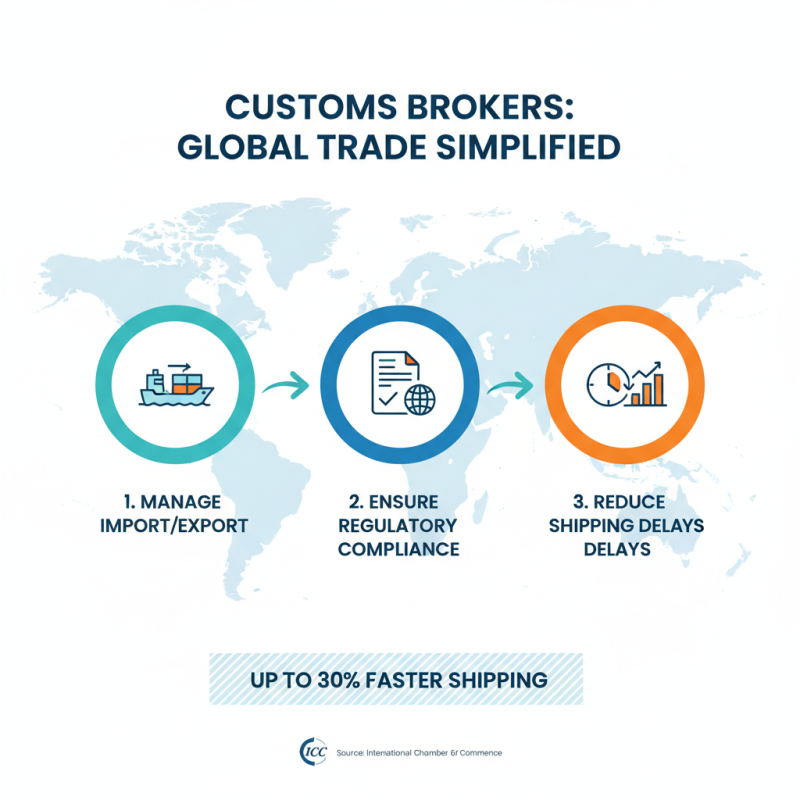
In international trade, a custom house broker plays a vital role in facilitating smooth transactions. They manage the complexities of importing and exporting goods. Their expertise ensures compliance with local and international regulations. According to a report by the International Chamber of Commerce, effective brokerage can reduce shipping delays by up to 30%. Understanding this role helps businesses navigate global markets efficiently.
Hiring the right broker can significantly impact your operational efficiency. Consider their experience in your specific industry. A knowledgeable broker can anticipate challenges and streamline your logistics. Look for certifications and training in customs regulations. This assurance can help mitigate costly penalties and shipment delays.
Tips: Communicate your needs clearly. Provide all necessary documentation to your broker. This collaborative approach can prevent missteps. Regularly evaluate your broker's performance. A monthly review can identify areas needing improvement. Even a small oversight can lead to significant setbacks in international trade.
Identifying Your Business Needs for Customs Brokerage Services
Determining your business needs for customs brokerage services is vital. Many companies overlook this. A study by the International Federation of Customs Brokers Associations found that around 50% of importers and exporters struggled to define their specific needs. They often end up partnering with brokers that do not align with their objectives.
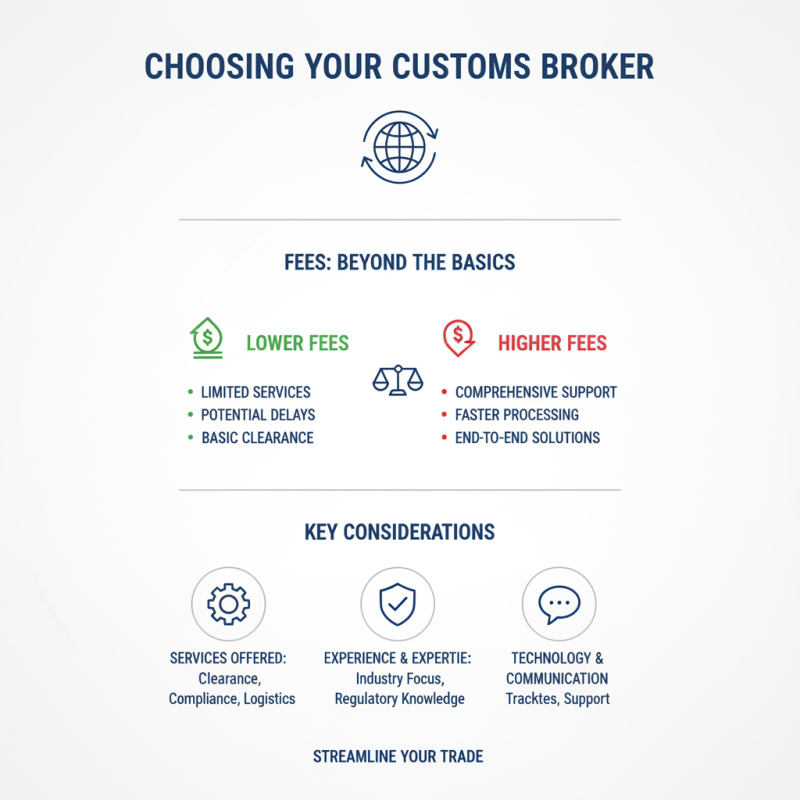
Consider your shipment volume. If your business manages a high volume of imports, choose a broker experienced in large-scale operations. These brokers tend to offer better pricing structures and resources. For instance, companies handling over 1,000 shipments a year often see cost reductions of 15-20% through tailored services. Conversely, a business with sporadic shipments might not need a full-service broker. They might benefit from simpler, more flexible arrangements.
Every business has unique requirements. Regulatory knowledge is critical, particularly in niche markets. The World Customs Organization reports that compliance failures can lead to penalties up to 40% of shipment value. Identify your industry’s specific challenges. Reflecting on past experiences can also unveil areas needing improvement. Address your shortcomings openly. Understanding your customs brokerage needs isn't just about cost—it's about aligning with a broker who understands your business landscape.
Evaluating the Credentials and Experience of Potential Brokers
When selecting a custom house broker, credentials and experience are key. Start by reviewing their certifications. A qualified broker should have relevant licenses. Experience matters too; a broker with a solid track record has likely faced various challenges in the field. Look for case studies or testimonials that demonstrate their effectiveness.
Consider how long they've been in the industry. Longevity can indicate stability and reliability. However, sometimes newer brokers bring fresh ideas. Assess their specific industry expertise. A broker familiar with your market can navigate complexities better. Remember, just because a broker has years of experience doesn't mean they are always the right fit. They may have outdated practices.
Meeting the brokers in person can provide valuable insights. Observe how they communicate. Are they attentive to your needs? This also offers a chance to gauge their knowledge. If they struggle to answer specific questions, it might raise a red flag. Trust your instincts during these interactions; your comfort level with a broker is crucial.
Broker Experience Evaluation
Assessing Communication and Customer Service Factors in Broker Selection
When selecting a custom house broker, communication and customer service are critical. Effective communication ensures that your needs are understood. A broker should be approachable, responsive, and clear in their explanations. Look for brokers who provide timely updates and detailed reports. This transparency fosters trust and eases the decision-making process.
Tips: Evaluate their response time. Do they reply promptly? Choose a broker who prioritizes your concerns. This can save you time and frustration.
Good customer service can differentiate a great broker from a mediocre one. Pay attention to their willingness to help. A broker should be patient and attentive, especially when you have questions. If they seem rushed or uninterested, consider this a red flag.
Tips: Ask about their process for resolving conflicts. A broker with a solid plan shows commitment to customer satisfaction. Reflect on past experiences with service. What worked? What didn’t? This can guide you in your choice.