Buying across borders can feel simple until one shipment reaches customs. A missing invoice detail, unclear product description, or incorrect tariff classification may stop the delivery. This is where a customs expeditor becomes valuable. The role is practical, not mysterious. An expeditor helps organize documents, communicate with brokers, monitor clearance progress, and identify problems before they become expensive delays.
Former World Customs Organization Secretary General Kunio Mikuriya described customs as “at the heart of international trade.” His observation explains why buyers should treat customs planning as part of purchasing, rather than an afterthought. A capable customs expeditor can review commercial invoices, packing lists, certificates of origin, and shipment data. They may also help buyers understand duties, taxes, delivery terms, and realistic arrival dates. Small details matter. A box count must match the paperwork. Product descriptions should be clear and accurate.
The benefits are measurable. Buyers can gain better shipment visibility, fewer document corrections, and more predictable landed costs. They may also spend less time chasing carriers or answering repeated clearance questions. However, an expeditor is not a substitute for responsible buying. Buyers still need to provide truthful information and confirm applicable requirements. That part cannot be outsourced completely. Even experienced professionals can encounter delays caused by inspections, system issues, or changing procedures. This is the less comfortable truth. A customs expeditor reduces avoidable friction, but cannot promise instant clearance. Understanding that limitation helps buyers choose support based on reliability, communication, and genuine customs experience.

A customs expeditor is a specialist who coordinates the paperwork and communication required to move goods through border clearance. Their scope covers document review, tariff classification, shipment valuation, duty estimates, and customs declarations. They may also coordinate inspections, permits, certificates of origin, and delivery release with authorized parties.
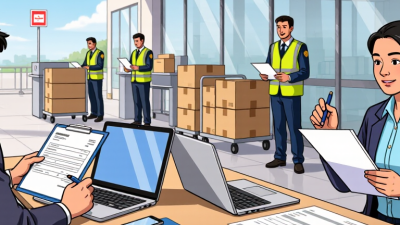
In practice, an expeditor compares the commercial invoice with the packing list, carton count, gross weight, product description, and destination. A mismatch can delay release. For buyers, this checking process reduces avoidable questions and supports more accurate landed-cost planning. It also creates a clear contact point between the buyer, seller, carrier, customs broker, warehouse, and customs authority.
The role is not limited to submitting forms. An experienced expeditor tracks shipment milestones, identifies missing information before departure, and explains what each document supports. They should keep records of decisions, assumptions, and corrections. No checklist replaces judgment. Product descriptions can still be unclear, and duty estimates may change after official review. Buyers benefit when the expeditor communicates these limits early, rather than promising a smooth clearance without evidence. Small details matter. A wrong unit, weight, or origin statement can affect the entire shipment.
A customs expeditor helps keep an import moving through the clearance process. The role is often misunderstood. An expeditor usually checks commercial invoices, packing lists, certificates of origin, and shipment references. They coordinate updates between the buyer, customs broker, supplier, warehouse, and carrier. They may flag missing information before a container reaches the port. However, an expeditor is not automatically a licensed customs broker. Their authority depends on the service agreement and local rules.
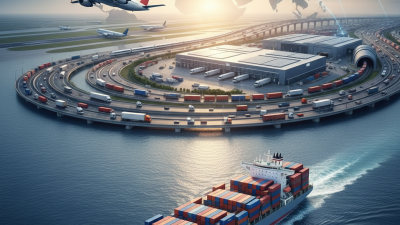
The difference becomes clearer during a real shipment. A customs broker prepares or submits customs declarations and communicates with customs authorities. A freight forwarder plans the transport route, booking, consolidation, and delivery schedule. A carrier physically moves the cargo by sea, air, road, or rail. The expeditor connects these activities. For example, when a packing list shows ten cartons but the warehouse receives nine, the expeditor can investigate the discrepancy quickly. That coordination can reduce storage charges and avoid unnecessary delivery delays.
Buyers benefit from one visible communication point and earlier document checks. They can also receive clearer status updates instead of chasing several parties. Still, buyers should ask who controls classification, valuation, duty payment, and formal customs representation. The boundary is not always clear. A helpful expeditor can prevent confusion, but cannot replace professional legal judgment. Small document errors remain possible. Review the shipment details yourself.
What Is a Customs Expeditor and How Can Buyers Benefit?
HS Classification: The WCO Benchmark Covering 98% of Global Trade
A customs expeditor coordinates documents, product details, and shipment timing before goods reach the border. Their most valuable task is often HS classification. The Harmonized System, maintained by the World Customs Organization, covers about 98% of global merchandise trade. It provides a shared six-digit structure for identifying products across customs systems.
For buyers, accurate classification supports duty estimation, landed-cost planning, and fewer clearance delays. A customs expeditor checks the product’s material, function, processing level, and packaging. For example, a stainless-steel kitchen tool may require different treatment from a machine component, despite similar descriptions. Small wording differences can change the applicable code. That assumption is risky.
The World Trade Organization estimated that full implementation of its Trade Facilitation Agreement could reduce trade costs by an average of 14.3%. It also linked improved procedures with major gains in global trade. These figures show why organized customs work matters. Yet HS codes are not always obvious. Product innovation can outpace official explanations, and supplier descriptions may be incomplete. A careful expeditor should request technical sheets, photographs, and composition details before filing. Human review still matters. Mistakes happen. Buyers benefit when classification decisions are documented, checked against current national tariff schedules, and revisited when products change. The WCO’s HS updates also require regular attention, because a code that worked last year may no longer fit.
| Data Dimension | Verified Customs or HS Data | Practical Meaning for Buyers | How a Customs Expeditor Can Help |
|---|---|---|---|
| Global HS coverage | The Harmonized System is used as the basis for classifying more than 98% of merchandise traded internationally. | A correct HS classification creates a common starting point for customs declarations in most international shipments. | Reviews product descriptions, technical specifications, and intended use before preparing the classification file. |
| HS code length | The international HS code contains 6 digits. Customs administrations may add additional national digits for tariff and statistical purposes. | The first 6 digits generally provide international comparability, while the final digits may affect the exact duty rate and import requirements. | Checks both the internationally aligned 6-digit code and the destination country's extended tariff code. |
| HS structure | The HS is organized into 21 sections, 97 chapters, headings, and subheadings. Chapter 77 is reserved for possible future use. | The hierarchy helps buyers compare similar product categories and identify where classification disputes may arise. | Applies the classification hierarchy and records the reasoning used to select the final heading and subheading. |
| Classification rules | HS classification is governed by the General Rules for the Interpretation of the Harmonized System, commonly known as GIR 1 through GIR 6. | Classification should be based on legal rules rather than informal product names, supplier descriptions, or marketing language. | Uses the applicable interpretive rule, product composition, function, and construction details to support the declaration. |
| Duty-rate exposure | Customs duty rates are linked to the tariff classification and may differ by destination, origin, trade agreement, and product status. | A change in classification or origin can materially change the landed cost of the same product. | Verifies the applicable tariff line, checks origin-related preferences, and flags possible duty changes before shipment. |
| Import taxes | Import value-added tax, goods and services tax, or similar consumption taxes are generally calculated under national rules and may use customs value plus duties and other additions. | Buyers can estimate total landed cost more accurately instead of budgeting only for the product price and freight. | Coordinates customs-value data, duty calculations, tax information, and supporting commercial documents. |
| Customs value | The transaction value method is commonly used when the goods are sold for export to the importing country, subject to applicable customs valuation conditions. | Accurate invoice values and adjustments reduce the risk of underpayment, overpayment, or customs queries. | Checks invoices, assists with valuation-related documents, and reconciles declared value with shipping and purchase records. |
| Origin information | Country of origin is determined under applicable non-preferential or preferential rules and is not automatically the same as the country of shipment. | Correct origin data supports tariff treatment, marking requirements, trade statistics, and regulatory screening. | Collects manufacturing and sourcing details and ensures that origin statements match the relevant trade rule. |
| Required documents | Common clearance documents include a commercial invoice, packing list, transport document, and any permits, licenses, certificates, or origin documents required for the goods. | Complete documentation helps reduce holds caused by missing, inconsistent, or unclear shipment information. | Builds a document checklist, compares data across documents, and submits the required information to the relevant parties. |
| Regulated goods | Products such as food, medicines, chemicals, plants, animals, batteries, and controlled equipment may require additional regulatory review. | HS classification alone may not confirm whether a product can be imported, sold, or used in the destination market. | Identifies potential permits, product controls, labeling obligations, inspection requirements, and agency declarations. |
| Shipment timing | Clearance time depends on document quality, customs risk controls, inspection requirements, port conditions, and regulatory approvals. | Early preparation can reduce avoidable delays and improve inventory planning. | Pre-checks documents, monitors shipment milestones, responds to customs requests, and coordinates release instructions. |
| Post-entry corrections | Many customs systems provide procedures for correcting declarations, reclaiming overpaid duty, or paying additional amounts when errors are identified, subject to local law and deadlines. | Buyers can limit financial and compliance exposure by identifying classification or valuation errors quickly. | Maintains entry records, reviews discrepancies, prepares correction support, and tracks applicable filing deadlines. |
| Audit readiness | Classification, valuation, origin, and import-permit decisions should be supported by records that explain how the declaration was prepared. | A documented process makes future audits, internal reviews, and supplier discussions more efficient. | Maintains classification notes, product evidence, correspondence, approvals, and shipment-level customs records. |
| Reference basis: Harmonized System structure and international coverage are based on publicly available information from the World Customs Organization. National tariff rates, import taxes, permits, valuation rules, and correction procedures vary by jurisdiction and should be verified with the destination customs authority. | |||
A customs expeditor helps buyers move shipments through clearance with fewer delays. They review commercial invoices, packing lists, tariff details, and transport records before submission. This preparation can prevent a small mismatch from holding a container at the border.
The WTO has estimated that full implementation of trade facilitation measures could reduce global trade costs by 14.3%. This figure is not a guaranteed saving for every buyer. It reflects broad improvements in customs procedures, documentation, transparency, and cooperation. An experienced expeditor supports these goals by checking data carefully and communicating with brokers, carriers, and customs offices.
Consider a shipment of machine parts arriving at a busy port. The expeditor confirms the product description, quantity, origin, and declared value before clearance begins. If customs requests clarification, the buyer receives a focused response instead of searching through scattered emails. That time matters when storage fees or production delays are possible.
Still, the process is not perfect. Classification can remain uncertain, especially for products with several functions. A quick review may miss a detail. Buyers should ask for written records, question unclear charges, and verify important information with qualified customs professionals. Better coordination reduces friction, but it does not remove responsibility from the importer.
A customs expeditor coordinates documents, declarations, inspections, and communication with border authorities. Buyers should verify licensing, local registration, insurance, and trained compliance staff before signing. Experience matters more than polished presentations. Ask for anonymized entry records and references from similar product categories. The World Bank’s Logistics Performance Index 2023 gathered feedback from 4,090 supply-chain professionals, showing why customs capability should be measured, not assumed.
Track practical KPIs. Useful measures include first-pass declaration accuracy, average release time, customs-query rate, post-entry correction rate, and duty-and-tax variance. Request monthly dashboards with shipment-level evidence. The World Trade Organization estimated that full Trade Facilitation Agreement implementation could reduce global trade costs by 14.3%. Small documentation errors can still erase those gains. That is the uncomfortable part.
Fees should separate entry processing, examination support, storage coordination, disbursement, and amendment charges. Avoid vague “handling” bundles. Compare total landed administration costs, not only the lowest quotation. Audit controls should include written authorization, dual review for tariff classifications, document retention, access logs, and quarterly sample testing. Require prompt escalation when information is incomplete. A good expeditor can explain a delay clearly. A weak one hides behind silence. These controls may feel excessive for low-value shipments, but one unreviewed correction can expose wider process failures. Citations: World Bank, Logistics Performance Index 2023; WTO, Trade Facilitation Agreement Report, 2015.