Digital Best Solutions for Efficient Transport in 2026?
As we approach the year 2026, the demand for efficient transport solutions continues to grow. Cities face increasing congestion, and traditional methods struggle to keep up. Innovations in technology play a critical role in addressing these challenges.
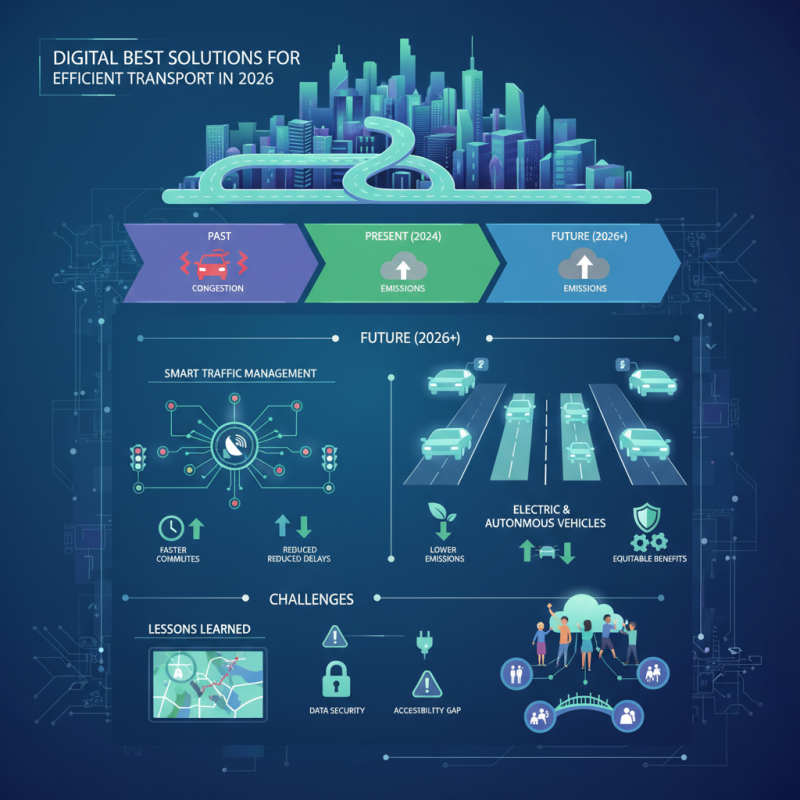
Digital solutions can transform urban mobility. For example, smart traffic management systems use real-time data. They adjust traffic signals to reduce delays, enabling faster commutes. Electric and autonomous vehicles emerge as viable options, promising lower emissions and improved safety. However, reliance on these technologies raises concerns about data security and accessibility.
As we explore digital best solutions, we must recognize the importance of inclusivity. Not every community has equal access to new technologies. Addressing this gap is crucial to ensure efficient transport benefits everyone. Reflecting on past implementations helps identify areas for improvement. While we envision a connected future, it is vital not to overlook the lessons learned from various trials.
Innovative Technologies Transforming Transport Efficiency in 2026
In 2026, the transport sector is set to witness incredible innovations. Electric vehicles will become more commonplace. These vehicles reduce greenhouse gas emissions significantly. They offer a cleaner alternative to traditional transport. However, the transition may create challenges in infrastructure. Charging stations must increase to support the growing number of electric cars. Urban areas might struggle with space and access.
Autonomous vehicles are transforming the way goods and people move. Smart technology enables these vehicles to navigate efficiently. They communicate with each other to prevent accidents. However, the reliance on technology raises concerns. Cybersecurity risks may compromise safety. Updating software regularly becomes vital for user protection.
Optimized logistics solutions will also reshape the transport landscape. Real-time tracking systems will enhance supply chain transparency. Deliveries can become faster and more efficient. Nevertheless, companies must invest in staff training. Without proper knowledge, the technology may underperform. The balance between innovation and practical implementation is essential.
Role of AI and Machine Learning in Optimizing Transport Logistics
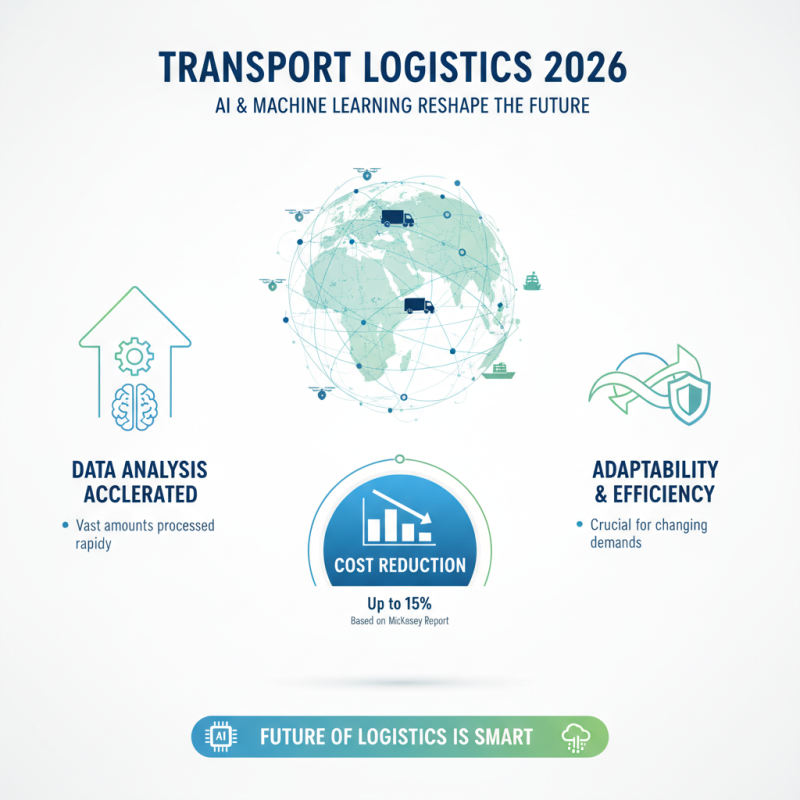
As we look towards 2026, AI and machine learning will reshape transport logistics significantly. These technologies can analyze vast amounts of data quickly. According to a recent report by McKinsey, companies using AI in logistics can reduce operational costs by up to 15%. This efficiency is crucial for adapting to changing demands in the transport sector.
Advanced algorithms can optimize routes in real time. They take into account traffic conditions, weather, and delivery windows. A study from Gartner indicates that integrating AI could improve logistics efficiency by over 30%. However, the reliance on technology also presents challenges. Data security concerns are rising, and the impact of algorithmic bias must be addressed. As we embrace these tools, it’s essential to ensure fairness and transparency.
Moreover, the human element remains vital in logistics. Employees must adapt to new roles as automation increases. Training programs are necessary to upskill workers in this evolving landscape. Without adequate support, organizations may struggle to maximize the benefits of AI. Balancing technology with human insight will be crucial for a successful future in transport logistics.
Sustainable Practices in Digital Transportation Solutions for 2026
In 2026, digital transportation solutions will focus on sustainability. This shift is crucial in minimizing the environmental footprint. With rising emissions and climate concerns, the need for eco-friendly practices is evident.
Tips: Monitor your local transport options. Look for electric or hybrid vehicles. Consider cycling or walking for short trips. These choices can significantly reduce carbon output.
Smart data analytics will drive efficiency in transport logistics. By processing real-time data, companies can optimize routes and reduce fuel consumption. However, the reliance on technology can pose challenges. Cybersecurity issues may arise, threatening operational integrity.
Tips: Invest in training for your team. Ensure they understand data privacy. Reinforce the need for secure practices in transportation management systems.
Collaboration among cities and service providers will be essential. Sharing resources can lead to reduced traffic congestion. Yet, navigating partnerships requires transparency and mutual trust, which aren’t easy to establish. Finding the right balance can be complex and requires diligent effort.
Digital Best Solutions for Efficient Transport in 2026? - Sustainable Practices in Digital Transportation Solutions for 2026
| Solution |
Efficiency |
Sustainability |
Technology Used |
Projected Impact |
| Smart Traffic Management |
30% reduction in congestion |
Lower CO2 emissions |
AI, IoT |
Annual savings of $500 million |
| Electric Autonomous Vehicles |
50% more efficient than traditional vehicles |
Zero Tailpipe Emissions |
Lidar, Machine Learning |
Reduction of urban traffic fatalities by 25% |
| Electric Bike Sharing |
Encourages short-distance travel |
Significant reduction in air pollution |
GPS, Mobile Apps |
Increased city mobility by 20% |
| Warehouse Optimization Software |
45% faster order fulfillment |
Decreased carbon footprint |
Big Data, Analytics |
Annual cost savings of $2 million |
Impact of Autonomous Vehicles on Future Transport Systems
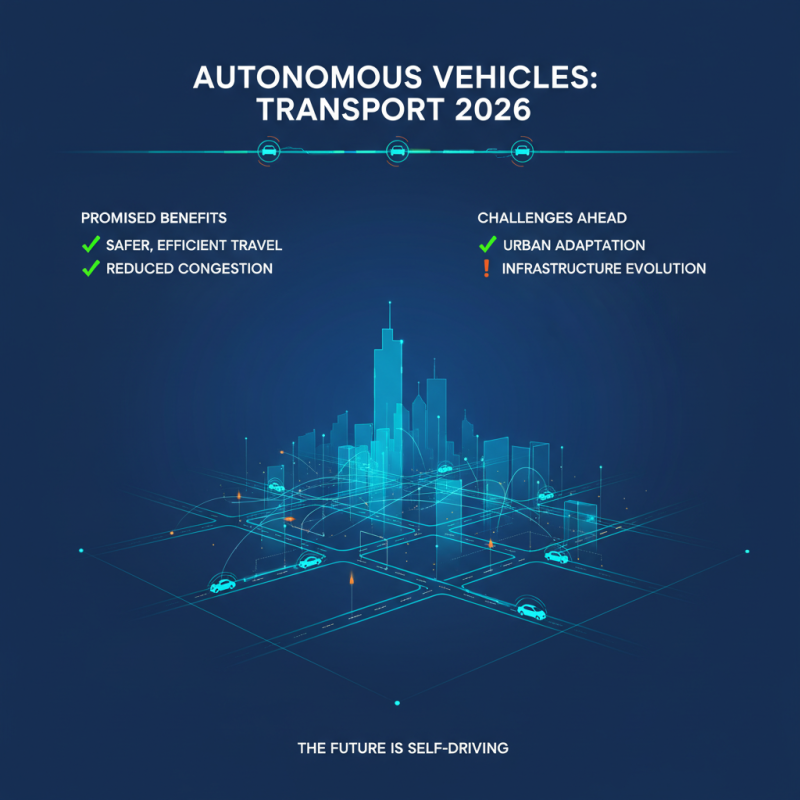
The rise of autonomous vehicles is set to change transport systems dramatically by 2026. These vehicles promise a safer and more efficient way to travel. Imagine streets filled with self-driving cars, communicating seamlessly. Congestion could become a thing of the past. However, challenges lie ahead. How will cities adapt to this technology? Infrastructure must evolve.
Safety remains a crucial concern. While autonomous vehicles are designed to reduce accidents, unforeseen events can still happen. The scenario of a software glitch is unsettling. Public trust in these vehicles is essential but fragile. Some people may resist the change, fearing loss of control. Education and transparency will be key.
Public transport could also benefit greatly from autonomy. Imagine buses that arrive exactly when needed, reducing wait times. However, what about accessibility for all users? Not everyone can easily transition to fully automated systems. These complexities demand thoughtful solutions. The balance between innovation and practicality requires continuous dialogue among policymakers, technologists, and citizens.
Integration of Smart Infrastructure in Efficient Transport Networks
The integration of smart infrastructure is pivotal in enhancing transport networks by 2026. Data from the World Economic Forum indicates that intelligent transport systems can reduce travel time by up to 30%. This is achieved through real-time traffic management and automated signals. The concept of connected vehicles allows for seamless communication with infrastructure. This connectivity leads to optimized routes, saving both time and fuel.
Tips for implementation: Prioritize data analytics in transport planning. Understanding traffic patterns can help reduce congestion. Invest in sensor technology for accurate monitoring. Smart infrastructure offers insights into maintenance needs, potentially preventing costly repairs. However, these systems can be vulnerable to cyber threats. Addressing security is crucial for public trust and operational reliability.
As we move toward a more integrated approach, we must acknowledge the challenges. Many cities still struggle with outdated systems and budget constraints. These factors can impede progress. Stakeholders must collaborate to ensure that technological advancements are widely accessible. The goal is to create equitable transport solutions for all citizens, not just a select few.
Digital Best Solutions for Efficient Transport in 2026
This chart illustrates the expected adoption rates of various digital solutions for transport efficiency by 2026. As seen, real-time tracking and smart traffic lights are projected to lead in terms of implementation in efficient transport networks.