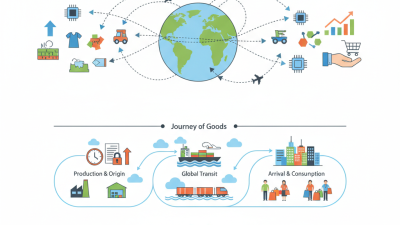
How to Transport International Goods Efficiently?
Transporting international goods efficiently is a critical aspect of global trade. With the rise of e-commerce and globalization, effective logistics solutions have never been more important. Companies face the challenge of delivering products quickly while minimizing costs. This requires a strategic approach to transport inter operations.
Planning is essential. Companies must consider routes, shipping methods, and potential delays. Air freight is fast but expensive. Sea transport is cost-effective but slower. Each choice impacts the bottom line. It is necessary to evaluate these options carefully. Sometimes, businesses overlook simple solutions, such as local warehousing. This can reduce transport times significantly.
Technology plays a key role in improving transport inter processes. Tracking systems provide visibility and enhance communication. However, relying too heavily on tech can lead to oversights. For instance, delays from tech failures can disrupt supply chains. Thus, maintaining a balance is vital. Efficient transport requires a combination of planning, technology, and adaptability.
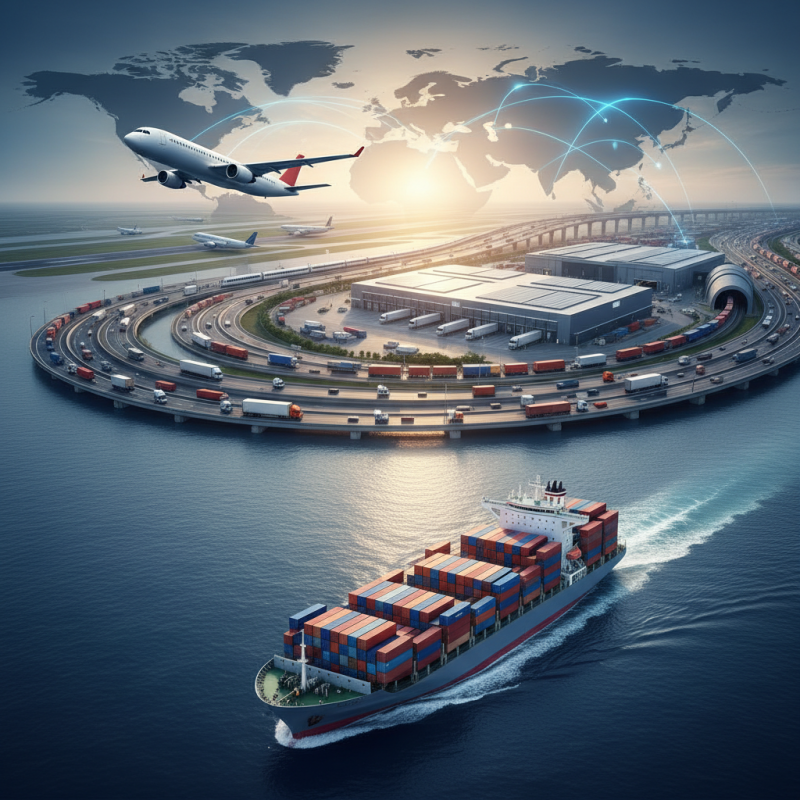
Understanding the Basics of International Goods Transportation
When transporting international goods, understanding the basics is crucial. Approximately 90% of global trade relies on shipping. This statistic highlights the importance of an efficient transportation process. The typical transit time for ocean freight is 15 to 30 days, depending on the route. Delays can easily occur due to weather or port congestion.
Documentation plays a pivotal role in this process. Incorrect paperwork can result in fines or shipment rejection. A study revealed that about 20% of shipments face issues related to documentation errors. Additionally, companies often underestimate costs. Hidden costs can constitute up to 10% of the total logistics expenditure.
Shippers should prioritize planning. Using data analytics can help predict potential delays and streamline operations. However, many businesses still overlook this step. They fail to adapt to changing global dynamics. This can lead to inefficiencies that harm the bottom line. Emphasizing transparency and communication within the supply chain is essential. This approach will minimize risks and ensure smoother transportation processes.
How to Transport International Goods Efficiently? - Understanding the Basics of International Goods Transportation
| Mode of Transportation |
Average Transit Time |
Cost Efficiency |
Environmental Impact |
| Air Freight |
1-5 Days |
High |
High |
| Ocean Freight |
10-30 Days |
Low |
Moderate |
| Rail Freight |
5-15 Days |
Moderate |
Low |
| Truck Freight |
2-10 Days |
Moderate |
High |
Choosing the Right Mode of Transportation for Your Goods
Choosing the right mode of transportation is crucial for international goods. Each method has its benefits and challenges. Air freight is fast, but it can be costly. Sea freight, on the other hand, is more economical for heavy or bulky items, yet it takes longer. Businesses need to assess the urgency and budget for transportation.
Road transport offers flexibility. It connects various modes and reach locations that others can't. However, it is subject to delays, like traffic and weather conditions. Rail transport is reliable for land transfers over long distances. It's less affected by traffic. Still, it might not be available everywhere.
Evaluate these options carefully. Mistakes can be costly. Missing deadlines impacts customer satisfaction. Choosing an incorrect method may lead to unexpected fees or delays. Reflect on your priorities: speed, cost, or reliability. Finding the right balance will improve logistics.
Transportation Modes Efficiency Comparison
This chart illustrates the estimated transportation time in days for different modes of transportation, helping businesses choose the most efficient method for international goods transport.
Essential Documentation for International Shipping
When transporting international goods, documentation is vital. Accurate paperwork ensures smooth customs clearance. Each country has specific requirements. Missing documents can cause delays and extra costs.
Customs invoices are essential. This document details the goods being shipped. It should include descriptions, quantities, and values. An incomplete invoice may lead to confusion. Make sure to double-check all entries for accuracy.
Tips for documentation: always keep copies. This can save time if issues arise. Also, consider using digital tools to track documents. Using incorrect formats can slow down your process. Lastly, familiarize yourself with both export and import regulations. This knowledge can prevent costly mistakes.
Strategies for Cost-Effective International Logistics
Efficient international logistics is crucial for businesses aiming to expand globally. In 2021, the global logistics market was valued at approximately $8.6 trillion, showcasing its immense scale. However, challenges persist in managing costs. The freight rates have increased by over 30% since 2020 due to supply chain disruptions. This situation pushes companies to rethink their transportation strategies.
One effective approach is optimizing shipping routes. Analyzing data can reveal less congested paths, saving both time and money. Utilizing multimodal transport also enhances efficiency. By combining air, sea, and land transportation, businesses can reduce costs while ensuring timely delivery. Reports suggest that companies using multimodal strategies can cut logistics costs by 10-20%.
However, it’s crucial to note that reliance on a single mode of transport can backfire. For instance, air freight, while fast, is considerably more expensive. The trade-off between cost and speed should be carefully analyzed. Data from industry experts indicate that 70% of businesses face challenges in balancing these factors. Regularly reviewing logistics performance is essential, but many overlook it. Transporting goods internationally is complex, requiring constant reflection and adaptation for success.
Best Practices for Tracking and Managing Shipments Abroad
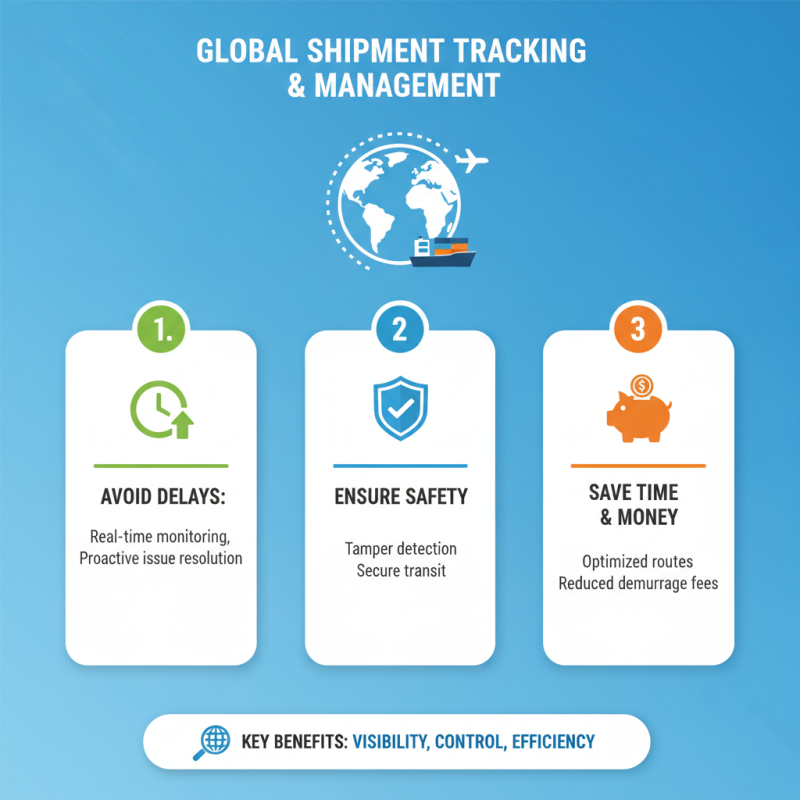
When transporting goods internationally, tracking and managing shipments is crucial. You want to avoid delays and ensure items arrive safely. Keeping a close eye on shipments can save you time and money.
Tip: Use real-time tracking systems to monitor your goods. This feature lets you see the exact location of your shipment. Make sure to verify updates regularly. Notifications can help you respond quickly to any issues.
Consider the handling of customs documentation. Missing paperwork can lead to significant delays. Check requirements for each destination. Seek help from experienced professionals to prevent issues. It’s easy to overlook details here.
Tip: Develop a streamlined communication plan. Keep all parties informed about shipment statuses. Miscommunication often leads to confusion and extra costs. Regular check-ins can help everyone stay in the loop, reducing errors.
While aiming for efficiency, remember that some factors are beyond control. Weather, inspections, or political issues can arise. Always have contingency plans in place. This proactive approach may minimize risks and keep the process smoother.