Top 10 Efficient Transport Solutions for Sustainable Urban Mobility
The growing concerns around climate change and urban congestion have prompted cities worldwide to seek innovative solutions for sustainable urban mobility. Efficient transport systems are critical to achieving environmental goals while ensuring accessibility and connectivity in densely populated areas. According to a report from the International Transport Forum, urban transport accounts for approximately 30% of greenhouse gas emissions in major cities, highlighting the urgent need for effective strategies that can reduce the carbon footprint of urban mobility.
As city populations continue to rise, the demand for efficient transport options has never been more pressing. Recent studies indicate that implementing efficient transport solutions could potentially reduce traffic congestion by up to 50%, thereby enhancing urban air quality and promoting healthier lifestyles for residents. Moreover, a report from the World Bank underscores that investments in public transport can yield economic benefits, with every dollar spent generating up to four dollars in economic returns.
This article explores the top ten efficient transport solutions that can transform urban mobility, addressing the interconnectivity of public transit, cycling infrastructure, and smart technology integration. By leveraging these solutions, cities can pave the way for a more sustainable future, ensuring that urban mobility is equitable, efficient, and environmentally responsible.

Understanding Sustainable Urban Mobility and Its Importance
Sustainable urban mobility is a vital concept that emphasizes the importance of developing transportation systems that meet current needs without compromising the ability of future generations to meet theirs. As cities continue to grow, the demand for efficient and eco-friendly transport solutions becomes increasingly essential. Sustainable urban mobility encapsulates a range of strategies aimed at reducing environmental impact while enhancing the quality of life for urban residents. This involves integrating public transport systems, walking, cycling, and the use of electric vehicles, thereby minimizing reliance on single-occupancy cars.
Investing in sustainable urban mobility is crucial for addressing various contemporary challenges, such as overcrowding, pollution, and urban sprawl. By promoting alternative transportation methods, cities can significantly reduce greenhouse gas emissions and improve air quality. Moreover, efficient transport solutions foster social equity by ensuring that all residents, regardless of socio-economic status, have access to reliable transportation options. This holistic approach not only supports environmental sustainability but also contributes to the economic vitality of urban areas, creating a more inclusive and resilient urban landscape for all.
Top 10 Efficient Transport Solutions for Sustainable Urban Mobility
| Transport Solution |
Carbon Emissions (g CO2/km) |
Capacity (Passengers) |
Energy Source |
Speed (km/h) |
| Electric Bus |
0 |
70 |
Electricity |
30 |
| Light Rail |
56 |
150 |
Electricity |
40 |
| Bicycle Sharing |
0 |
1 |
Human Power |
15 |
| Walking |
0 |
1 |
Human Power |
5 |
| Hybrid Bus |
50 |
60 |
Diesel & Electricity |
25 |
| Subway |
39 |
1000 |
Electricity |
80 |
| Carpooling |
120 |
4 |
Gasoline |
60 |
| Electric Scooter |
0 |
1 |
Electricity |
25 |
| Car Sharing |
150 |
5 |
Gasoline |
65 |
| Demand Responsive Transit |
70 |
20 |
Diesel |
30 |
Overview of Efficient Transport Solutions in Urban Areas
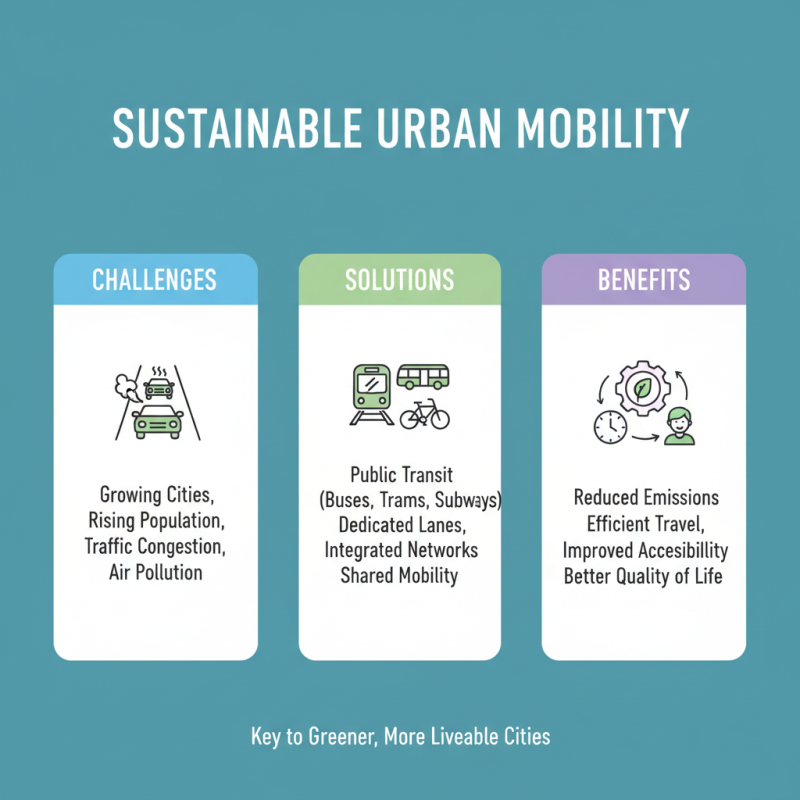
Sustainable urban mobility is increasingly crucial as cities expand and the population rises. Efficient transport solutions play a significant role in alleviating congestion, reducing emissions, and enhancing accessibility. Among these solutions, public transportation systems such as buses, trams, and subways are fundamental. They provide a reliable means of transport for large groups of people while decreasing the reliance on personal vehicles. Integrating these systems with dedicated infrastructure, such as bus lanes and tram tracks, increases their efficiency and encourages greater public utilization.
Moreover, active transport modes, including cycling and walking, contribute to sustainable urban mobility by promoting healthy lifestyles and lowering carbon footprints. Cities are increasingly investing in pedestrian-friendly areas and extensive cycling networks, enhancing safety and encouraging these modes of transport. Additionally, the incorporation of smart technologies and data analytics can improve traffic management, optimize public transit routes, and facilitate the transition to electric vehicles, further supporting the goal of reducing urban transport emissions. By embracing a multimodal approach that includes both public transport and active transport, urban areas can foster a more sustainable, efficient, and accessible mobility landscape.
Top 10 Transport Solutions Promoting Sustainability
Sustainable urban mobility is increasingly crucial as cities grapple with congestion, pollution, and climate change. According to a report by the International Transport Forum, transitioning to more sustainable transport solutions can reduce greenhouse gas emissions from urban transport by up to 70% by 2050. To achieve this, cities are looking towards innovative transport solutions that prioritize environmental impact and efficiency.
Among the most effective strategies are electric and hybrid vehicles, which emit significantly lower CO2 levels compared to traditional gasoline-powered cars. A study from the Global EV Outlook indicates that electric vehicle sales rose by about 40% globally in 2020, highlighting the growing public commitment to cleaner transport. Furthermore, investment in public transit infrastructure, such as buses and subways, not only decreases the number of vehicles on the road but also enhances overall accessibility, making the use of shared transport options more attractive. Reports suggest that cities investing in robust public transit systems can see a two to four-fold increase in public transport use within a decade.
Another notable solution is the promotion of cycling and walking, which not only reduces reliance on fossil fuels but also contributes to improved public health. According to the World Health Organization, increasing the share of trips made by non-motorized transport could prevent millions of deaths annually through better air quality and increased physical activity. By implementing dedicated bike lanes and pedestrian-friendly pathways, cities can create environments that support sustainable mobility while fostering a healthier population.
Top 10 Efficient Transport Solutions for Sustainable Urban Mobility
This chart presents the effectiveness of various transport solutions in promoting sustainable urban mobility. The data reflects environmental impact reductions measured in CO2 emissions savings (in kg) per year for each transport solution.
Evaluating the Impact of Transport Solutions on Urban Environments
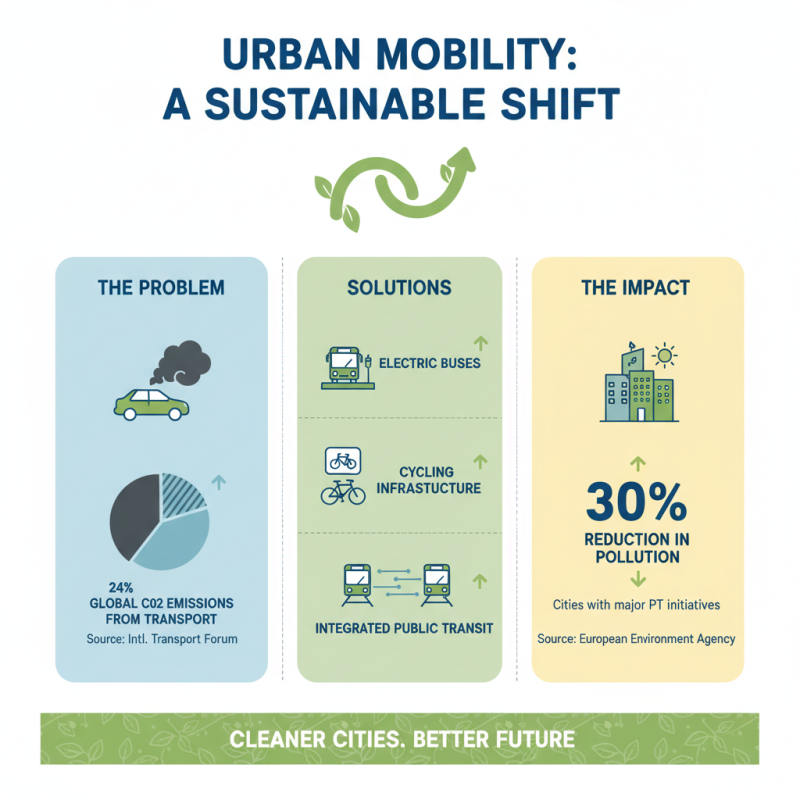
Urban mobility is undergoing a transformative shift as cities aim to mitigate the negative impacts of transport on the environment. According to the International Transport Forum, transportation accounts for approximately 24% of global CO2 emissions, highlighting the pressing need for sustainable solutions. Efficient transport methods such as electric buses, cycling infrastructure, and integrated public transport systems not only reduce greenhouse gas emissions but also enhance urban air quality. A report from the European Environment Agency indicates that cities implementing major public transport initiatives have experienced up to a 30% reduction in pollution levels, underscoring the significant potential of these transport solutions.
Moreover, the economic implications of adopting sustainable transport solutions are equally impactful. A study by the World Bank suggests that every dollar invested in public transport yields approximately four dollars in economic returns, primarily through increased accessibility and reduced traffic congestion. By promoting walking and cycling through dedicated infrastructure, cities can also enhance public health—reducing healthcare costs related to pollution-related illnesses. Cities that invest in sustainable urban mobility not only create healthier environments but also bolster their economies, demonstrating the holistic benefits of integrating efficient transport solutions into urban planning frameworks.
Future Trends in Sustainable Urban Transport Solutions
As cities grow and populations expand, the need for sustainable urban mobility becomes increasingly critical. Future trends in sustainable urban transport solutions focus on integrating technology, enhancing public transport, and promoting alternative modes of travel. Smart technologies, such as mobile applications for real-time data tracking and electric vehicle (EV) infrastructure, are shaping new paradigms in urban mobility. Additionally, many cities are investing in automated public transport systems, which can reduce congestion and improve efficiency while minimizing environmental impact.
Tips: To encourage sustainable travel habits, urban planners and policymakers should prioritize the development of extensive cycling and walking paths. Implementing safe routes not only reduces reliance on cars but also promotes healthier lifestyles. Furthermore, creating incentives for shared mobility services can foster a community-oriented approach, reducing individual car ownership and its associated environmental costs.
Another emerging trend is the integration of mixed-use developments, which promote living, working, and recreation spaces in close proximity. This approach inherently reduces the distance people need to travel, encouraging more residents to opt for public transport or non-motorized options. Cities that embrace pedestrian-centric designs and foster accessible transit networks will likely see long-lasting benefits in both sustainability and quality of life.