
10 Essential Tips for Customs Transport Success
In the fast-paced world of customs transport, success hinges on understanding the complexities of global trade. According to a recent report by the World Trade Organization, customs delays can account for nearly 20% of total shipping time. This can result in increased costs, lost sales, and damaged relationships with clients. In the words of customs transport expert John P. Mercer, “Efficient customs processes are the backbone of effective international logistics.”
The importance of meticulous planning cannot be overstated. Each shipment carries unique documentation and compliance requirements. Shipping companies often underestimate the need for thorough customs checks, leading to unexpected challenges. Outdated practices can slow down operations significantly. Companies must adopt better strategies to address these issues.
Additionally, technology plays a pivotal role in optimizing customs transport. Data-driven decision-making can streamline processes and minimize errors. Yet, many in the industry remain hesitant to fully embrace these tools. This reluctance could hinder progress. Understanding and applying these ten essential tips can make a considerable difference in achieving customs transport success.

Understanding Customs Regulations for Successful Transport
Understanding customs regulations is crucial for successful transport. Every country has its own set of rules, which can be quite complex. Familiarizing yourself with these regulations can prevent delays and additional costs. Take the time to research the customs laws in both your country and the destination country.
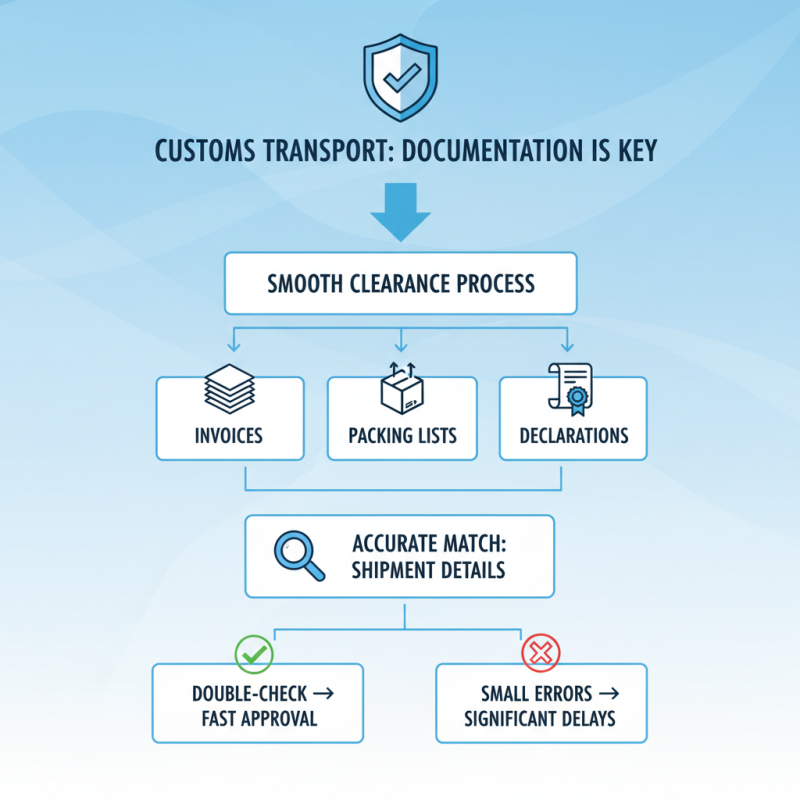
Tip: Always check for updated customs requirements. Regulations change frequently, and staying informed can save you trouble. Make sure you have all required documents ready. Missing paperwork can lead to frustrating delays at the border. Sometimes, even small mistakes can disrupt your transport process.
Tip: Understand the classification of your goods. Classifying items incorrectly can lead to unexpected duties. The best practice is to consult customs brokers or experts. They can provide valuable insights into the nuances of classification.
Remember, the intricacies of customs transport demand proactive efforts. Reflect on past experiences. Are there areas you overlooked? Continuous learning and adaptation can lead to better outcomes. Being informed and prepared is vital to overcoming challenges in customs transport.
10 Essential Tips for Customs Transport Success - Understanding Customs Regulations for Successful Transport
| Tip | Description | Regulation Type | Common Challenges | Solution |
|---|---|---|---|---|
| Know Your HS Codes | Understand the Harmonized System codes relevant to your products. | Tariff Classification | Misclassification penalties | Consult experts for accurate classification. |
| Provide Accurate Documentation | Ensure all paperwork is complete and correct. | Customs Documentation | Delays and inspections | Double-check all forms before submission. |
| Understand Duties and Taxes | Be aware of import/export duties and taxes. | Customs Duties | Unexpected costs | Budget for potential duties and taxes. |
| Stay Updated on Regulations | Regulations can change frequently; stay informed. | Regulatory Compliance | Compliance issues | Subscribe to industry newsletters. |
| Use a Customs Broker | Hire professionals to navigate complex regulations. | Customs Clearance | Inexperience and errors | Research and select a reputable broker. |
| Plan for Delays | Have contingencies in place for unexpected delays. | Logistics Management | Disrupted schedules | Create buffer times in transport schedules. |
| Ensure Proper Packaging | Package goods to meet regulation standards. | Packaging Standards | Damaged goods | Use durable materials and proper labeling. |
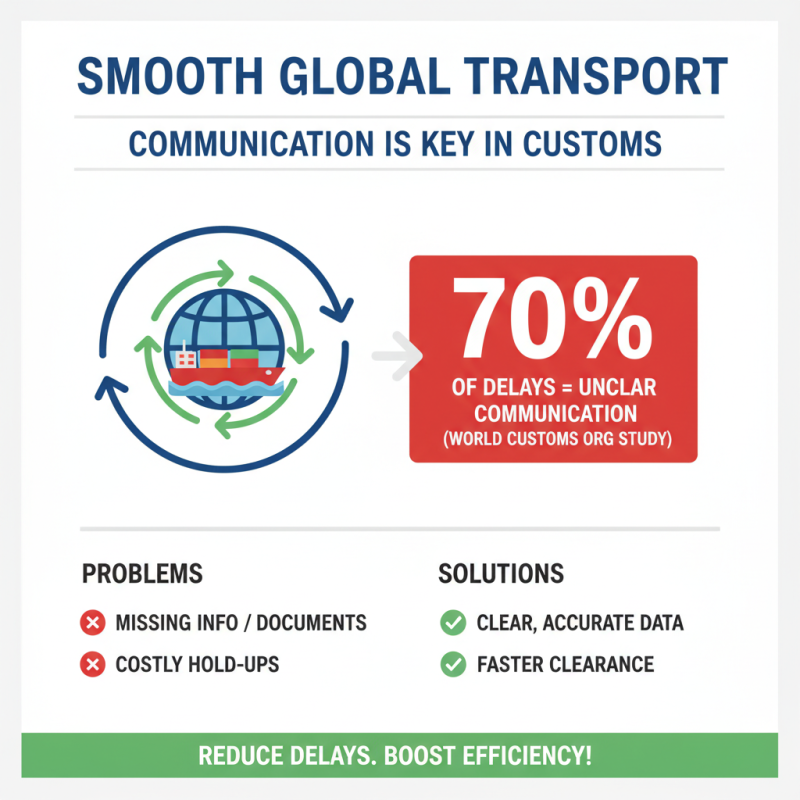
| Communicate with Carriers | Maintain clear communication regarding shipments. | Carrier Coordination | Misalignment in handling | Regular updates and check-ins. |
| Educate Yourself on Free Trade Agreements | Understand agreements that may apply to your goods. | Trade Regulations | Lost cost-saving opportunities | Research applicable trade agreements. |
Related Posts
-

10 Best Customs Forwarders for Your International Shipping Needs?
-

2025 Guide: How to Choose the Best Customs Broker for Your Business Needs
-

2026 Best Freight Shipping Options for Efficient Cargo Transport?
-

How to Choose the Best Freight Shipping Options for Your Business Needs
-
How to Choose the Right Transport Broker for Your Needs?
-

How to Transport International Goods Efficiently?