How to Optimize Transport and Services for Global Procurement?
In the intricate world of global procurement, optimizing transport and services is paramount. Experts emphasize the importance of efficiency in this sector. Mark Anderson, a renowned logistics consultant, once stated, “Streamlining transport and services can significantly reduce costs and enhance global operations.”
Effective transport and services strategies are essential for businesses seeking a competitive edge. Companies often struggle with logistics challenges, such as delays and high costs. These issues can impede efficiency and customer satisfaction. Moreover, many organizations fail to fully integrate their transport services with procurement processes. This disconnection can lead to missed opportunities for cost savings and streamlined workflows.
Understanding the nuances of transport and services is vital. Businesses must adopt innovative technologies to track shipments accurately. They should also reevaluate their partnerships with logistics providers. Engaging experts can lead to improved strategies, yet many organizations hesitate to invest in these changes. It's important to remember that the integration of efficient transport services is not just a goal; it’s an ongoing journey that requires continuous assessment and adaptation.

Understanding Global Procurement and Its Challenges
Global procurement is a complex field that presents unique challenges. Navigating supply chain disruptions, currency fluctuations, and varying regulatory environments requires vigilance and adaptability. According to a report from Deloitte, over 60% of companies report delays in procurement due to unforeseen events. Seasonal changes, trade policies, and unexpected pandemics add layers of complexity. This shifting landscape demands that businesses remain proactive and not reactive.
The reliance on global suppliers often stretches logistics capabilities. A survey by McKinsey indicates that 70% of organizations faced increased shipping costs last year alone. These costs can erode profit margins significantly. Additionally, many firms struggle with visibility across their supply chains. Without it, identifying bottlenecks becomes a daunting task. Optimizing transport services means investing in technology that enhances transparency and tracking.
Fostering relationships with multiple suppliers can buffer against risks. However, managing a diverse supplier base can be overwhelming. A significant percentage of procurement leaders express concerns about compliance and quality control. Addressing these issues requires a balance of efficiency and vigilance. Organizations must continuously evaluate their strategies while remaining open to iterative improvements. The road to optimal global procurement is riddled with both challenges and opportunities for growth.
Assessing Transportation Options for Global Supply Chains
In today's global supply chains, assessing transportation options is crucial. Different modes of transport offer unique benefits. Air freight is fast but often expensive. Sea freight is cost-effective, yet it takes longer. Trucking provides flexibility for land transport but can face delays due to traffic.
When evaluating these options, it’s essential to consider the nature of the goods. Perishable items may require speedy delivery methods. Conversely, bulky goods may benefit from sea transport. The balance between cost and speed is vital. However, relying solely on cost can lead to missed deadlines and unhappy customers.
Sustainability is becoming increasingly important. Companies should weigh the environmental impact of their transportation choices. This adds complexity to decisions but can bolster brand reputation. It requires careful evaluation of trade-offs. Ensuring efficient practices is not just a need; it’s a competitive advantage. Embracing technology and real-time data can also enhance decision-making processes in global procurement.
Leveraging Technology to Enhance Logistics Efficiency
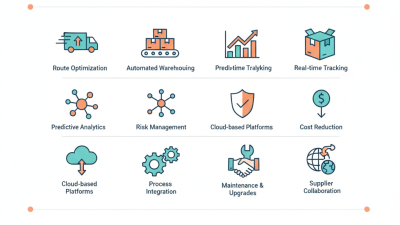
In today's competitive landscape, leveraging technology is essential for enhancing logistics efficiency in global procurement. Automation plays a key role in streamlining inventory management. For instance, using real-time tracking systems allows businesses to monitor shipments closely. This reduces delays and improves communication with suppliers.
Data analytics is another powerful tool in logistics. Companies can analyze transportation costs and delivery times to make better decisions. However, many organizations still struggle to fully utilize available data. This gap often leads to inefficiencies that can impact the bottom line. It’s essential to reflect on how technology can be better integrated into existing frameworks.
Moreover, adopting cloud-based solutions can improve collaboration across different departments. These platforms facilitate quicker decision-making, but many teams hesitate to transition from traditional methods. The fear of disruption can cause inertia. Understanding the potential of these technologies is vital for staying competitive in a rapidly evolving market.
Implementing Best Practices in International Service Management
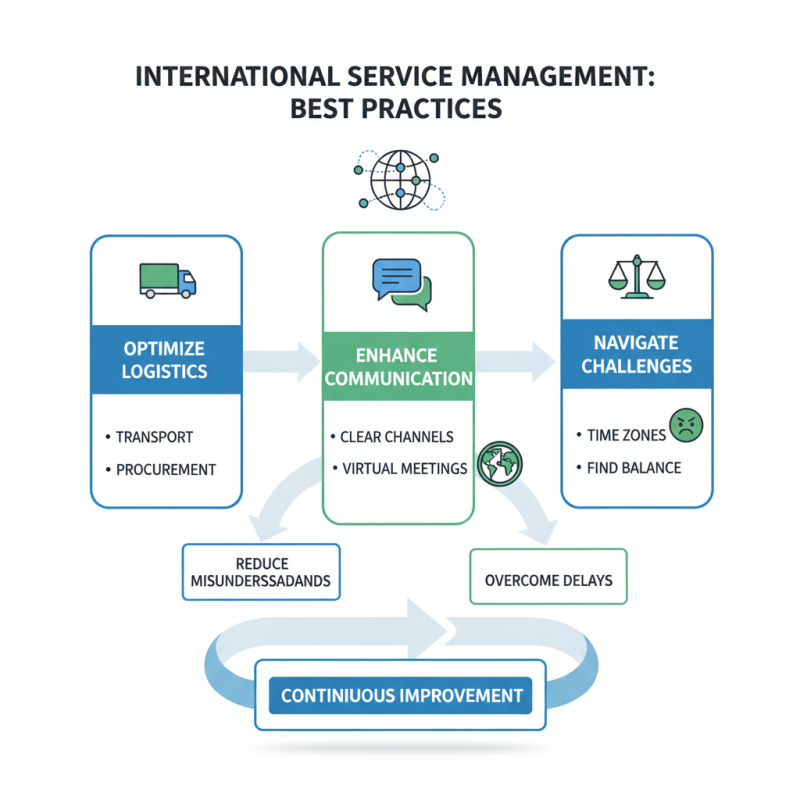
In international service management, best practices are crucial for optimizing transport and procurement. Developing clear communication channels is one of the key elements. When teams work across borders, misunderstandings can occur. Regular virtual meetings can simplify these interactions. However, time zone differences often lead to delays and frustrations. It's essential to find a balance.
Another important aspect is the efficient use of technology. Automation tools can streamline processes. Yet, introducing new systems might face resistance from employees. Training plays a significant role in overcoming this barrier. It's vital to ensure everyone feels comfortable using these tools. Inadequate training can lead to mistakes that affect service quality.
Cultural differences can also influence how services are perceived. Respecting local customs and practices can enhance relationships with suppliers. However, assumptions can lead to missteps. It's beneficial to seek feedback from local partners regularly. Continuous assessment allows teams to improve their approach over time and adapt to changing needs.
Measuring Success: Key Performance Indicators for Optimization
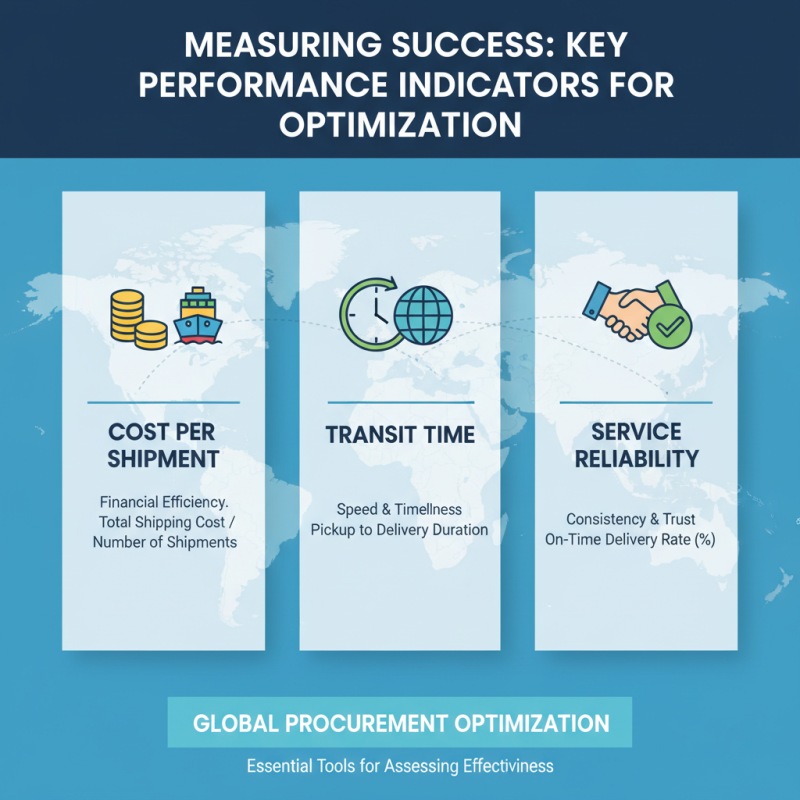
When optimizing transport and services for global procurement, measuring success is crucial. Key Performance Indicators (KPIs) serve as essential tools for assessing effectiveness. Common KPIs include cost per shipment, transit time, and service reliability. These metrics provide immediate insights into operational efficiency.
Cost per shipment tracks expenses related to logistics. A higher cost may indicate underlying issues. Identifying inefficient routes or unnecessary delays can lead to cost reduction. Transit time is another vital metric. Longer transit periods often signal potential inefficiencies in the supply chain. Organizations should regularly evaluate shipping times to ensure they meet business requirements.
Service reliability cannot be overlooked. It reflects how often suppliers meet delivery deadlines. If delays are frequent, it may harm client relationships. Creating an environment for feedback can address these issues effectively. Regular assessments of these metrics enable teams to adapt strategies. Reflecting on failures and successes encourages continuous improvement. By analyzing KPIs, companies can enhance procurement processes and drive long-term success.