Top 10 Cargo Electric Bike Types Buyers Should Know?
Choosing a cargo electric bike is rarely as simple as comparing motor wattage or battery size. Buyers often need to carry children, groceries, tools, or bulky parcels through tight streets and changing weather. The right design depends on payload, frame balance, rider confidence, storage space, and daily distance.
This guide introduces ten important cargo electric bike types, including longtails, front-loaders, trikes, compact models, and utility-focused designs. Each category creates a different riding experience. A longtail may fit a narrow garage, while a box bike can offer better protection for children. A three-wheel model may feel stable at low speed, yet it needs careful cornering.
The comparison focuses on practical evidence rather than attractive specifications alone. We consider rated payloads, braking systems, motor placement, battery access, tire width, weather protection, and repair requirements. Manufacturer data matters, but real-world use can expose details that product pages overlook. Small details matter.
Some categories overlap, and no ranking can suit every buyer. That limitation is worth admitting. A heavy-duty model may be excellent for deliveries but tiring on steep hills. A lightweight model may feel agile but carry less equipment. Readers should verify local safety requirements, warranty terms, service support, and replacement-part availability before purchasing. These checks help separate a dependable work companion from an expensive frustration.
What Is a Cargo Electric Bike and How Does It Work?
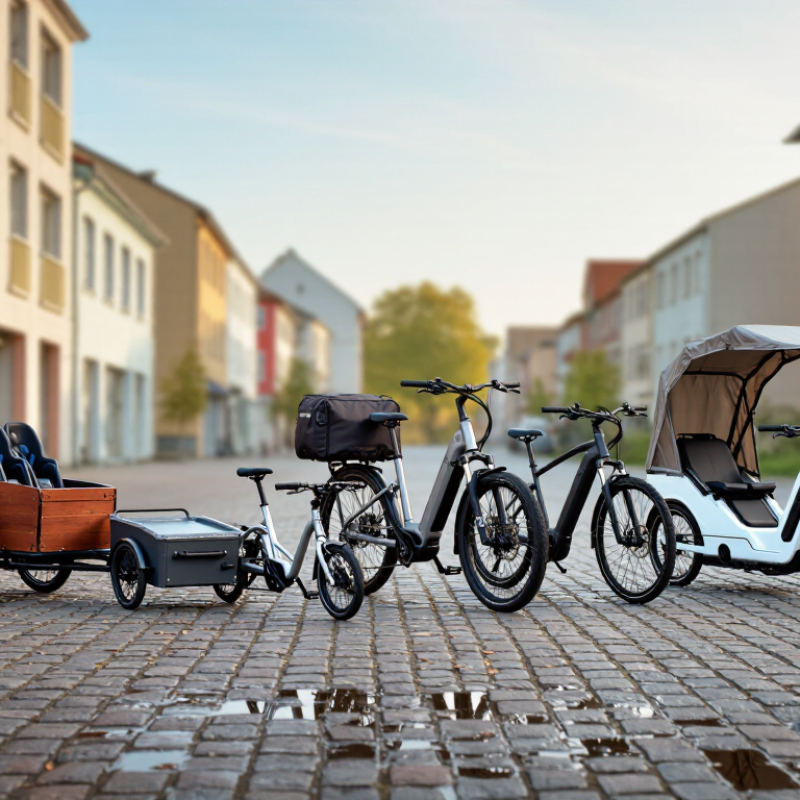
A cargo electric bike carries people, groceries, tools, or small loads with electric assistance. Its frame is usually longer and stronger than a standard bicycle. Common designs include longtails, front-loaders, tricycles, compact cargo bikes, and utility models. Each type changes how weight feels during riding.
The system is straightforward. A rechargeable battery sends power to a motor through a controller. Sensors detect pedaling and adjust assistance, while the rider still controls steering, braking, and speed. Some models use a throttle, but local rules may limit its use. A strong frame is important, but braking performance matters just as much. Hydraulic or well-adjusted mechanical brakes can help manage heavier loads. Check the manufacturer’s rated capacity, including the rider’s weight. A 100-kilogram load can feel very different on a flat road and a steep hill. Range also varies with payload, tire pressure, wind, temperature, and assistance level. Numbers on a product page are useful, but real conditions are less predictable. It is easy to expect too much from one battery charge.
Tips: Test the bike with a realistic load before buying. Place heavy items low and near the center. Secure bags so they cannot touch the wheels. Practice slow turns in an empty area. Recheck bolts, brake pads, and tire pressure regularly. A small adjustment can noticeably improve stability.
How Are Cargo Electric Bike Types Classified?
Cargo electric bikes are classified less by appearance than by how they carry weight. In practice, buyers should examine the frame, cargo position, wheel design, and intended workload. Longtail models extend the rear rack behind the rider. They suit groceries, school bags, and one smaller passenger when properly equipped. Front-loader models place a box between the rider and front wheel. This layout offers a low center of gravity and visible cargo, but it needs a wider turning path.
Another useful division concerns wheel size. Standard wheels usually roll more smoothly over uneven streets. Compact wheels lower the deck and make loading easier. Fat-tire versions add cushioning on sand or loose gravel, although they can feel slower and heavier. Electric systems are also classified by motor placement. Mid-drive motors respond naturally on hills and preserve balanced handling. Hub motors are often simpler and can deliver steady assistance on flatter routes. Battery capacity matters, but range estimates change with payload, temperature, hills, and tire pressure.
Use case provides the final practical category: daily family transport, small-business delivery, utility work, or recreational hauling. A two-wheel bike may feel efficient in narrow lanes, while a three-wheel design offers more stationary stability. Yet stability while parked does not guarantee easy cornering. I have seen buyers focus on maximum load ratings and overlook frame access, brake feel, and storage space. That is a mistake worth questioning. Classification helps narrow choices, but a short test ride with realistic cargo remains the most dependable check.
How Do Cargo E-Bike Types Differ in Capacity and Performance?
Top 10 Cargo Electric Bike Types Buyers Should Know
Cargo e-bike designs differ most in load capacity, balance, and performance under weight. Longtail bikes carry children or groceries behind the rider, while front-loader bikes place cargo between the rider and front wheel. Front-loaders often offer better visibility of cargo, but they need more space to turn. Three-wheel cargo bikes provide strong stability at low speeds. However, they can feel awkward on narrow roads or uneven corners.
Compact cargo bikes are easier to store and usually accelerate quickly with lighter loads. Folding cargo bikes add portability, although their smaller wheels may feel less comfortable over rough surfaces. Passenger models include secure seating and foot platforms, while delivery bikes focus on enclosed storage and long daily use. Utility, modular, and off-road cargo bikes balance different needs. Off-road versions may use stronger frames, wider tires, and higher-torque motors, but their added weight reduces efficiency.
Capacity figures deserve careful attention. A bike rated for 200 kilograms may include the rider, battery, and accessories, not cargo alone. Motor power also tells only part of the story. Hill performance depends on torque, gearing, battery condition, and rider weight. During a practical test, try a loaded start on a mild incline. Test the brakes too. Published range can be optimistic in cold weather, strong wind, or hilly areas. I would not choose the largest frame automatically; a smaller bike with dependable handling may carry daily loads more safely.
How to Choose the Best Cargo Electric Bike Type for Your Needs
How to Choose the Best Cargo Electric Bike Type for Your Needs
Choosing a cargo electric bike starts with your daily load, not motor size. In practical testing, longtail bikes suit one or two children, groceries, or narrow city lanes. Front-loader models offer better visibility of cargo and children, but they need more turning space. Trikes provide strong low-speed balance for heavy loads, while compact, folding, and utility models fit smaller homes. Other useful types include midtail, delivery, passenger, off-road, and adaptive cargo bikes.
Measure your storage area before comparing specifications. A bike that cannot pass through your doorway becomes an expensive inconvenience. Check the rated payload, rack length, wheelbase, battery capacity, and braking system. A longer frame can feel stable with a full load, yet it may turn awkwardly on crowded paths. Smaller wheels often lower the cargo platform, making loading easier. They can also feel harsher on broken pavement.
Take a test ride with realistic weight, such as two filled bags of groceries. Test starts on a slope, tight turns, and controlled stops. The strongest motor is not always the best choice. Smooth assistance, adjustable speed settings, and an easy-to-reach display may matter more. I once underestimated parking space for a front-loader. That mistake changed my buying checklist. Leave room for weather covers, child restraints, lights, and regular maintenance. Safety features should match your route, climate, and riding confidence.
