International shipping can be complex and daunting. Navigating customs transport is often the biggest challenge. Timely deliveries are essential for businesses. However, customs regulations vary widely across countries.
Many exporters and importers feel overwhelmed. They struggle with paperwork. Inaccurate forms can lead to delays. Missing information often results in additional fees. It’s crucial to pay attention to detail when preparing shipments.
Understanding customs transport can ease many burdens. Proper planning helps avoid costly mistakes. Knowledge of local regulations is vital. Utilizing expert advice may seem like an added expense. Yet, it can save significant costs in the long run.
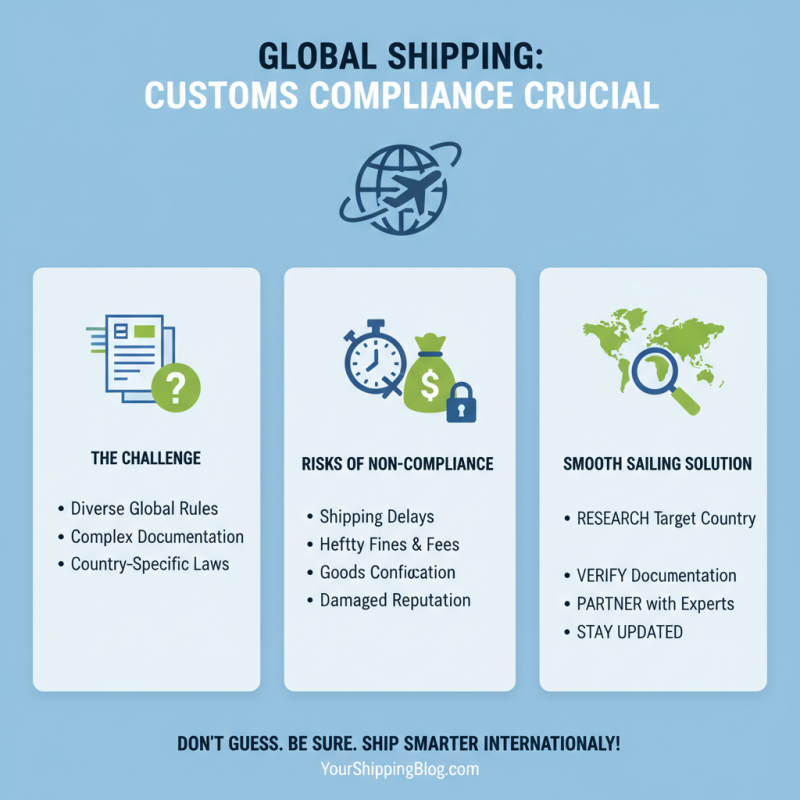
Understanding customs regulations is crucial for smooth international shipping. Each country has its own rules and documentation requirements. Failing to comply can lead to delays, fines, or even confiscation of goods. Research the specific regulations for your target country. Don’t assume that knowing one country’s rules applies to another.
Here are some tips for navigating customs regulations. Start by obtaining the correct documentation. This often includes invoices, packing lists, and certificates of origin. Accurate descriptions of items help customs officials classify shipments correctly. Mislabeling can create issues.
Another important tip is to be aware of duty fees. These can vary widely between countries, and not understanding these charges can surprise you. Always calculate potential duties when preparing for shipment. Lastly, using a reliable shipping partner can ease the process. They know the ins and outs of customs and can help avoid mistakes. Reflect on your previous experiences. Continuous improvement in your shipping process is essential.
Preparing your cargo for smooth customs clearance is essential for international shipping. Start with accurate documentation. Ensure that invoices, shipping labels, and packing lists are complete. Missing or incorrect details can cause significant delays. Make sure the descriptions of goods are precise. Ambiguous terms lead to confusion.
Proper packaging protects your items. Use sturdy boxes and cushioning materials to prevent damage during transit. Label all packages clearly with necessary details, including weight and dimensions. This helps customs officials process your shipment more efficiently. Always double-check the regulations of the destination country. Different regions have unique requirements.
Be aware of potential issues. Miscommunication can lead to unnecessary costs or delays. If you're unsure about regulations, seek advice. That could save time and resources in the long run. Remember to keep up with changes in customs policies. This can affect your shipping process. Each shipment is a new opportunity to learn and improve.
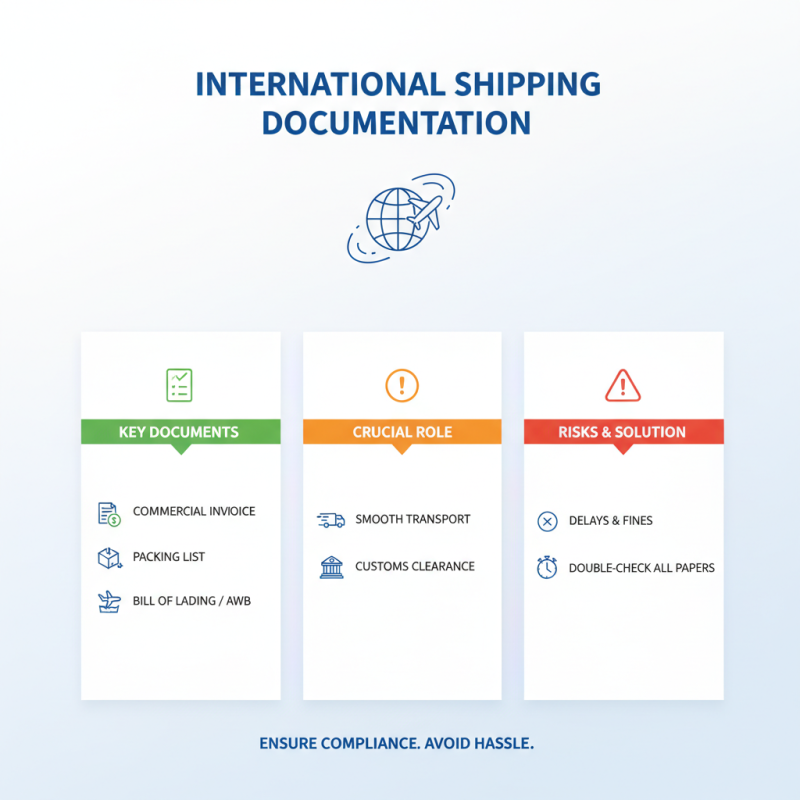
International shipping can be a complex process. Essential documentation plays a crucial role in ensuring smooth transport. Missing or incorrect paperwork can lead to unnecessary delays. Always double-check your documentation before dispatching goods.
You must prepare a commercial invoice. This document outlines the sale terms. It lists items, their value, and descriptions. Additionally, a packing list is necessary. This helps customs agents identify the contents of your shipment.
Certificates of origin may also be required, depending on the destination. They prove where the goods came from. In some cases, import licenses or permits might be needed too. Lacking the right documents can lead to hefty fines or even confiscation. Always stay informed about the requirements of your destination country. This can save you time and stress in the long run.
When engaging in international shipping, customs can present various pitfalls. One common mistake is improper documentation. Incorrect or incomplete paperwork can delay shipments significantly. Make sure all forms are filled out accurately. Double-check descriptions of goods too. Providing vague or misleading information can lead to penalties or seized items.
Another frequent issue is miscalculating duties and taxes. Many shippers underestimate these costs. Unexpected fees can disrupt budgets and plans. Use accurate customs value based on purchase receipts. Engage with professionals if the process feels overwhelming.
Properly labeling packages is crucial but often overlooked. Labels should include full addresses and correct item descriptions. Ambiguous labels can confuse customs officials, leading to further delays. Keep packaging professional and clear. Simple changes in labeling can save time and reduce potential issues. Always reflects on past experiences to improve future shipments.
Effective communication with customs authorities is crucial for international shipping. Clear information can prevent delays. Be precise in your descriptions of the goods. Use simple language. Avoid jargon or technical terms that may confuse. This ensures that your messages are understood easily.
Always provide complete documentation. Missing information can lead to misunderstandings. Include invoices, packing lists, and necessary permits. Ensure that your documents are organized and easy to follow. If customs requests clarification, respond promptly. Delays can cost time and money.
Sometimes, misunderstandings arise despite your best efforts. Customs staff may have different interpretations of rules. It's important to listen actively. Ask questions if something is unclear. Keep a professional tone, even if frustrations grow. Maintaining calm can lead to better outcomes. Reflection on past communications can offer insights for future improvements.
| Tip Number | Customs Tip | Explanation | Best Practice |
|---|---|---|---|
| 1 | Know Your Tariffs | Understand the customs duties applicable to your goods. | Research tariff codes accurately. |
| 2 | Prepare Accurate Documentation | Ensure all shipping documents are complete and accurate. | Double-check export and import paperwork. |
| 3 | Engage a Customs Broker | Utilize professionals with expertise in customs regulations. | Hire a qualified customs broker. |
| 4 | Stay Informed on Regulations | Regularly update yourself on customs regulations and trade agreements. | Subscribe to trade newsletters. |
| 5 | Use Proper Packaging | Ensure your products are packaged according to international standards. | Utilize sturdy and compliant materials. |
| 6 | Maintain Clear Communication | Notify customs early about shipments to avoid delays. | Send advance notifications to relevant authorities. |
| 7 | Track Shipments | Monitor the journey of goods to ensure timely arrival. | Use reliable tracking systems. |
| 8 | Know Your Incoterms | Familiarize yourself with different Incoterms and their implications on shipping costs. | Choose the right Incoterms for your shipment. |
| 9 | Use Technology | Implement digital tools for documentation and compliance. | Invest in customs management software. |
| 10 | Have a Contingency Plan | Prepare for potential customs issues that may arise. | Create a customs issue resolution protocol. |