Top Transport Inter Solutions for Global Buyers Today?
In today's interconnected world, efficient transport inter solutions are vital for global buyers. Businesses face challenges in logistics, and the right strategies can make a difference. Understanding how to optimize transport inter is crucial.
Global markets demand speed and reliability. Buyers need solutions that enhance supply chain efficiency. Advanced transport inter options, such as real-time tracking and automated systems, play a significant role. These tools help reduce delays and improve coordination.
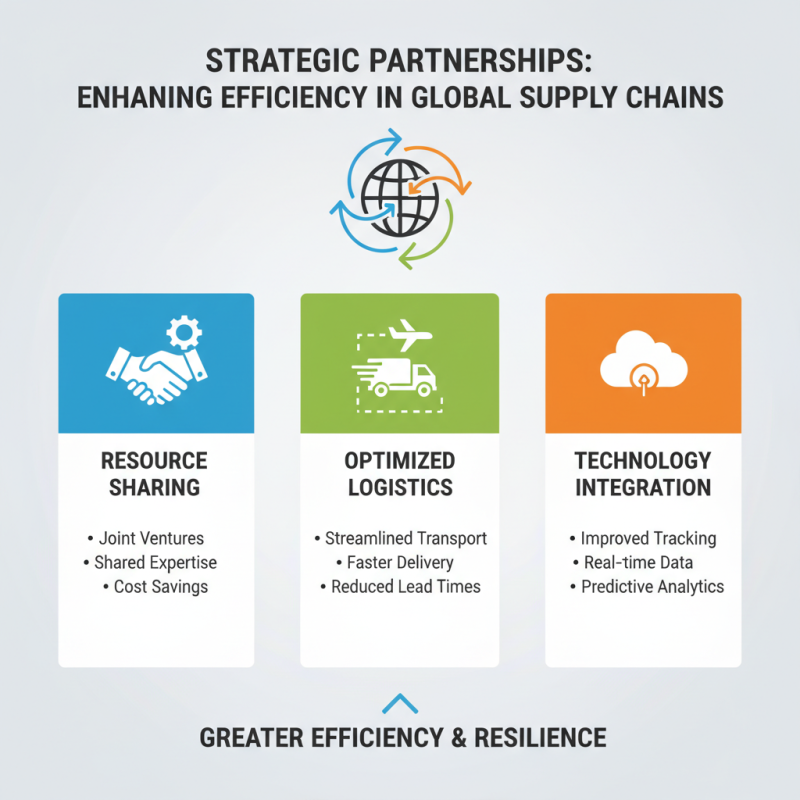
However, this landscape is not without its issues. Some solutions can be costly and complex. Companies must weigh the benefits against potential pitfalls. Adapting to evolving market needs is essential for long-term success. Transport inter is not just about moving goods; it's about creating sustainable partnerships.
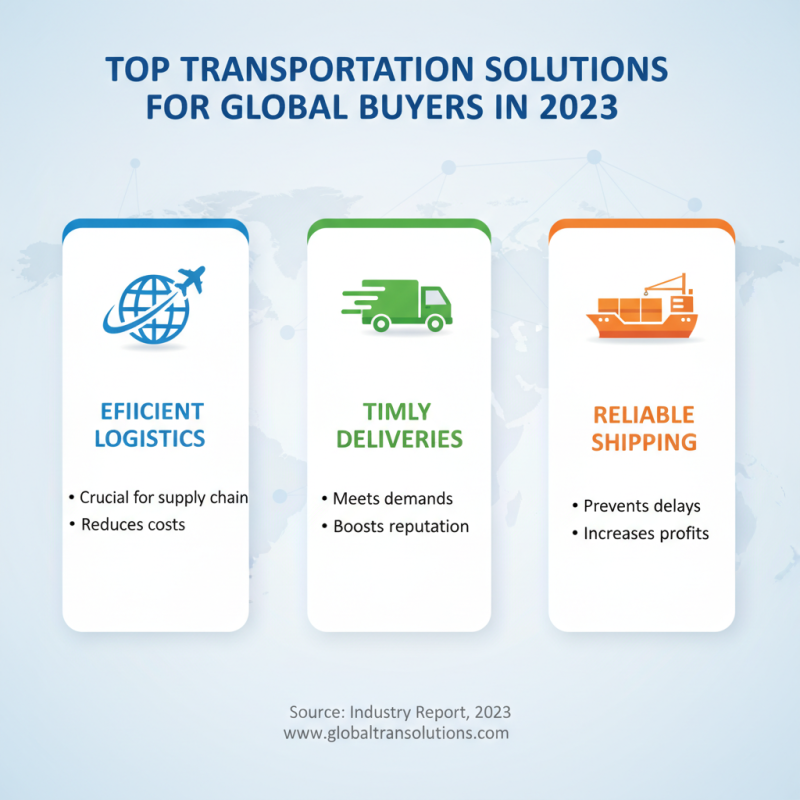
Top Transportation Solutions for Global Buyers in 2023
In 2023, global buyers are exploring advanced transportation solutions. Efficient logistics is more crucial than ever. Transportation plays a vital role in supply chain management. Timely deliveries are essential to meet customer demands. Delayed shipments can harm reputations and profits.
One emerging solution is digital freight platforms. These platforms streamline the booking process. They connect shippers with carriers seamlessly. Users can track shipments in real-time. This transparency builds trust between parties. However, the reliance on technology can be a double-edged sword. Systems can fail during high-demand periods, creating frustration.
Sustainable transportation is another key focus. Many global buyers are shifting to eco-friendly options. Electric vehicles and biofuels are gaining traction. These solutions reduce carbon footprints, but they can be costly. Additionally, infrastructure for such transportation may still be lacking. This can limit their effectiveness in certain regions. Balancing cost and sustainability remains a challenge for companies worldwide.
The Rise of E-commerce: Impact on Global Transport Requirements
The rapid growth of e-commerce has transformed global transport needs. Online shopping expanded dramatically, increasing demand for swift and reliable delivery solutions. Consumers now expect faster shipping times. Many prefer same-day or next-day deliveries. This shift presents both opportunities and challenges.
Transport providers must adapt to new requirements. They face pressure to optimize logistics and reduce delivery times. However, many businesses struggle with outdated systems. Inefficiencies can lead to delays and customer dissatisfaction. Companies need to invest in technology for better tracking and routing. But this often involves significant costs.
As e-commerce flourishes, the reliance on transportation solutions intensifies. Global buyers expect seamless service, yet many still encounter hiccups. Not every shipment arrives on time. Infrastructure constraints can hinder delivery networks. The relationship between e-commerce growth and transport efficiency is complex and requires continuous reflection and improvement.
Top Transport Inter Solutions for Global Buyers Today? - The Rise of E-commerce: Impact on Global Transport Requirements
| Transport Method |
Average Delivery Time |
Cost Per Shipment |
Suitability for E-commerce |
Environmental Impact |
| Air Freight |
1-3 days |
$5-$10/kg |
High |
High |
| Ocean Freight |
10-30 days |
$1-$3/kg |
Medium |
Low |
| Road Transport |
1-5 days |
$2-$5/kg |
High |
Medium |
| Rail Freight |
2-7 days |
$1-$4/kg |
Medium |
Low |
| Last-Mile Delivery |
1 day |
$3-$8/package |
Very High |
High |
Innovative Logistics Technologies Revolutionizing Freight Operations
Innovative logistics technologies are transforming freight operations globally. According to a recent study by McKinsey, the logistics sector could see a productivity increase of 15% due to automation and advanced technologies. These innovations streamline processes, enhance tracking, and improve inventory management. For instance, real-time data analytics enables companies to respond swiftly to market demands.
Drone deliveries and autonomous vehicles are gaining traction. A report by Gartner indicates that by 2025, 15% of urban deliveries will be handled by drones. While these technologies promise efficiency, they also raise questions. High initial investment costs and regulatory hurdles present challenges for widespread adoption.
Tips: Consider implementing a phased approach to integrate new technologies. Start with pilot programs to gauge effectiveness and monitor progress. Employee training is crucial. Proper education ensures that your team maximizes the benefits of these innovations. The freight industry must adapt continuously, addressing challenges while leveraging emerging solutions.
Top Transport Inter Solutions for Global Buyers Today
Sustainability in Transportation: Green Solutions for Global Trade
In today’s global trade environment, sustainability in transportation is increasingly vital. According to the International Transport Forum, transportation accounts for about 24% of global carbon emissions. As environmental concerns rise, many industries seek greener alternatives. Companies now aim to reduce their carbon footprint while maintaining efficiency.
Electric vehicles (EVs) have surged in popularity. A report by BloombergNEF suggests that EVs could make up 58% of global passenger vehicle sales by 2040. This shift is not just about innovation; it reflects a growing demand for sustainable solutions. However, transitioning to EVs requires infrastructure upgrades. Many regions lag in sufficient charging stations, presenting challenges for widespread adoption.
Additionally, the adoption of biofuels shows promise. These renewable fuels can significantly lower greenhouse gas emissions compared to traditional fuels. However, production methods can sometimes impact land use. Balancing biofuel demand with food supply is crucial. Stakeholders must navigate these complexities to ensure sustainable growth in transportation.
The path forward is fraught with challenges, but the commitment to greener logistics remains essential.