Global sourcing often begins with a simple question: can a cheap customs broker reduce landed costs without increasing operational risk? The answer depends on more than the invoice. A lower brokerage fee may look attractive beside cartons, pallets, and freight bills. Yet one missing tariff code can delay a shipment, trigger storage charges, or require costly corrections.
The World Bank’s 2023 Logistics Performance Index examined 139 economies and gathered thousands of assessments from trade professionals. It identified customs efficiency, shipment reliability, and supply-chain visibility as important performance factors. The OECD’s Trade Facilitation Indicators also show that clearer procedures and better information can reduce border-related costs. Price matters. Predictability matters more.
WCO Secretary General Ian Saunders has stated, “Customs administrations are at the forefront of facilitating legitimate trade while protecting society.” That principle also guides responsible broker selection. A cheap customs broker should understand tariff classification, valuation, origin documentation, and electronic filing requirements. Ask for evidence, not promises. Can the broker explain a commercial invoice line by line? Can the team respond when a shipment is held at 7:30 a.m.?
Small details reveal competence.
A practical review should compare total clearance cost, response time, audit support, and technology. The cheapest quote may win. It may also create avoidable friction. I have seen sourcing decisions focus too narrowly on transaction fees, while ignoring detention, rework, and delayed production. That is an imperfect approach, but it is common. The real opportunity is finding a cheap customs broker that remains accurate, transparent, and accountable as shipment volume grows.
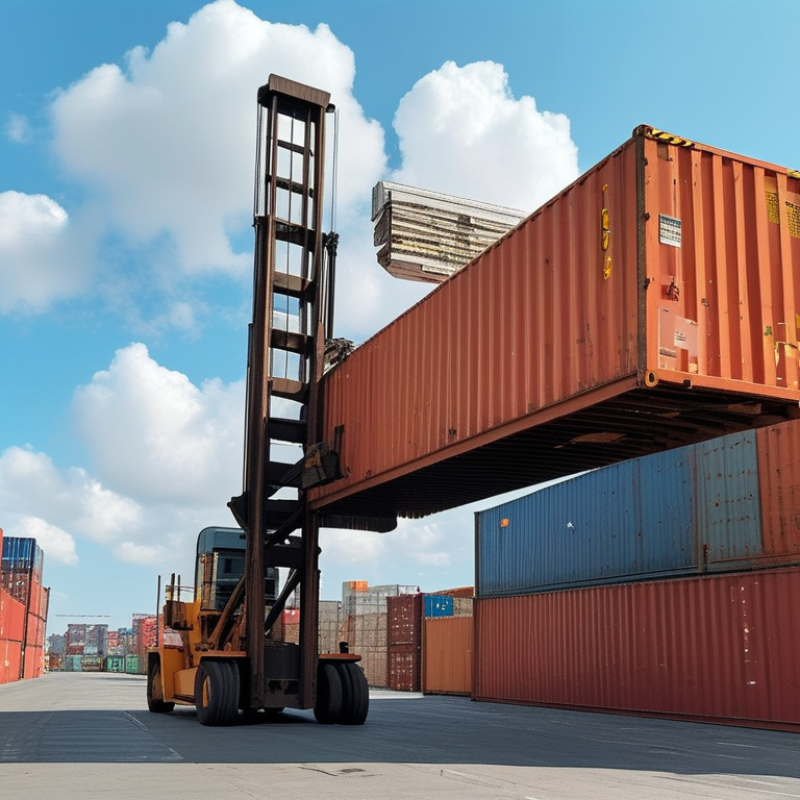
A customs broker supports the practical side of global sourcing. They review commercial invoices, packing lists, shipping documents, and product descriptions. They also help determine the correct tariff classification and country of origin. These details affect clearance time, duties, and delivery costs.
In practice, a broker communicates with suppliers, freight providers, and customs authorities. They check whether documents match the cargo before shipment. A small mismatch can delay a container at the port. An experienced broker may notice unclear quantities, missing certificates, or inconsistent product names. That attention can protect a sourcing budget.
The word cheap needs careful consideration. Lower fees may suit simple, repeat shipments with stable products. They may not suit complex goods or unfamiliar trade routes. A broker should explain their service scope, response times, and extra charges clearly. Ask who checks the documents. Ask how corrections are handled.
Some low-cost providers offer reliable work. Others may answer slowly. I have learned that price alone is a weak measurement. Clear records and practical communication matter more during stressful shipments. A broker cannot remove every customs risk. They can reduce avoidable mistakes through careful preparation, current knowledge, and honest advice. Mistakes still happen. That is why review procedures should remain visible, not assumed.
A customs broker helps importers prepare declarations, classify goods, verify customs value and origin, submit documents, coordinate with carriers, and manage post-entry corrections. A lower fee can be attractive, but service coverage and compliance accuracy should be evaluated alongside price.
Note: The percentages are an illustrative planning model rather than a universal industry average. Actual broker workload depends on product classification, destination-country rules, shipment value, required permits, origin documentation, and the complexity of the supply chain.
A low-cost customs broker can reduce import expenses by removing avoidable administrative waste. Clear entry preparation prevents repeated filings, storage delays, and correction charges. The broker should verify product classification, customs value, origin documents, and duty calculations before shipment. A small error on a commercial invoice can hold a container at the port.
The World Trade Organization estimated that full Trade Facilitation Agreement implementation could reduce global trade costs by 14.3%. Affordable brokerage supports this goal through faster document checks and standardized electronic submissions. The World Bank’s 2023 Logistics Performance Index also emphasizes customs efficiency, shipment timeliness, and reliable clearance as major logistics factors. These services matter when every day adds warehouse rent or demurrage.
Low fees do not always mean lower total cost. Ask for a written price schedule covering entry filing, inspections, amendments, storage coordination, and after-hours work. A practical broker should also explain why a tariff code fits the product, not merely provide a cheap quote. Cost control becomes visible in details: one accurate packing list, one prompt response, and fewer customs queries. Still, this approach needs review. An inexperienced broker may miss a duty preference or misread technical specifications. That mistake can exceed months of brokerage savings. A sensible importer compares licenses, service records, audit procedures, and communication quality before choosing the lowest compliant offer.
Why Hire a Cheap Customs Broker for Global Sourcing?
A budget customs broker should reduce friction, not merely reduce fees. In sourcing operations, I expect accurate tariff classification, commercial invoice checks, duty estimates, and electronic filing. The broker should also monitor shipment milestones and explain customs requests in plain English. These services matter because the World Trade Organization estimates that full trade facilitation implementation could reduce global trade costs by 14.3%. Small documentation errors can still create expensive delays.
A capable low-cost broker should provide landed-cost calculations before purchase orders are confirmed. Ask for itemized charges, response-time standards, recordkeeping procedures, and escalation contacts. The World Bank’s 2023 Logistics Performance Index shows that customs efficiency remains a major difference between stronger and weaker supply chains. Cost alone is not proof of value. I have seen “cheap” arrangements become costly after storage, correction, or repeated communication. That risk deserves honest review.
Tips: Request a sample entry checklist. Confirm who verifies product descriptions, origin, valuation, and required permits. Compare three written quotations, not headline prices. Keep an audit trail. A broker who cannot explain one fee clearly may not explain ten later. Review performance after the first shipment, because assumptions often fail in practice.
| Service Area | What the Broker Should Handle | Normal Deliverable | Budget Coverage | Risk if Omitted |
|---|---|---|---|---|
| Import Entry Filing | Prepare and submit the customs declaration using commercial, shipping, and regulatory information. | Accepted entry number, filing confirmation, and release status. | Usually included | Cargo delays, additional examination, storage charges, or penalties. |
| HS Classification Support | Review the product description, material, function, and technical specifications to identify the applicable tariff code. | Proposed HS code, classification rationale, and request for missing product data. | Basic review | Incorrect duty assessment, reassessment, fines, or seizure exposure. |
| Duty and Tax Calculation | Calculate customs duty and applicable import taxes from classification, customs value, origin, and local rules. | Pre-arrival landed-cost estimate and final customs statement. | Usually included | Unexpected cash requirements and inaccurate sourcing decisions. |
| Customs Valuation | Check the declared transaction value and identify potentially dutiable additions such as assists, royalties, commissions, or packing costs where applicable. | Valuation checklist and clarification of required invoice data. | Limited to standard cases | Underpayment claims, interest, penalties, or repeated customs reviews. |
| Country-of-Origin Review | Check manufacturing details and supporting documents used to determine non-preferential or preferential origin. | Origin-document checklist and preference eligibility review. | Often extra | Loss of preferential duty treatment or origin-related compliance action. |
| Document Checking | Compare the commercial invoice, packing list, bill of lading or airway bill, permits, and purchase information for consistency. | Pre-clearance discrepancy report and corrected document request. | Usually included | Entry rejection, manual intervention, or inconsistent customs records. |
| Regulated-Goods Coordination | Identify whether products require permits, certificates, labeling evidence, safety documents, or agency review. | Regulatory checklist and referral to the responsible government agency or specialist. | Usually limited | Refusal, quarantine, destruction, recall, or delayed release. |
| Shipment Tracking and Release Updates | Monitor filing progress, customs queries, examination status, duty payment, and release instructions. | Email updates, status dashboard, or release notification. | Basic updates | Missed deadlines, demurrage, detention, and avoidable storage expenses. |
| Customs Examination Support | Coordinate document responses, inspection appointments, cargo access, and communication with the carrier or terminal. | Examination response package and status follow-up. | May incur extra fees | Longer holds and higher terminal, handling, or inspection costs. |
| Post-Entry Corrections | Correct clerical errors, update eligible declarations, and support duty refunds or additional payments when permitted. | Correction filing, refund request, or duty adjustment record. | Often charged separately | Overpaid duties may remain unrecovered, while errors can become compliance liabilities. |
| Record Retention and Audit Support | Maintain entry records and help retrieve supporting documents during a customs review or internal audit. | Digital entry file, transaction history, and document retrieval support. | Basic retention | Slow audit response and difficulty demonstrating reasonable care. |
| Landed-Cost Reporting | Combine duties, taxes, brokerage charges, inspection costs, and other import-related expenses for sourcing analysis. | Shipment-level cost summary or standardized import-cost worksheet. | Frequently excluded | The lowest brokerage fee may not represent the lowest total import cost. |
A low-fee customs broker can look attractive when global sourcing margins are tight. Yet the cheapest quote may hide serious compliance gaps. In practice, problems often begin with incomplete product descriptions, incorrect tariff classifications, or missing origin records. A broker rushing through declarations may not ask about materials, intended use, or manufacturing changes. Small errors can trigger inspections, delayed release, storage charges, or repeated document requests. Delays hurt cash flow. They can also damage supplier relationships.
Compliance risk becomes sharper when a broker lacks trained staff or a documented review process. Duties may be calculated incorrectly. Required permits or product certificates may be overlooked. Import data can also conflict across invoices, packing lists, and transport records. Customs authorities may question the shipment, while the importer remains responsible for accurate information. That responsibility cannot simply be transferred to a low-cost service provider. Ask for classification methods, escalation procedures, record retention, and evidence of relevant experience before signing.
A reliable broker should explain uncertainty instead of promising effortless clearance. Request a sample entry review, written fee schedule, and clear communication timeline. Check whether someone verifies higher-risk declarations. This matters. Teams sometimes choose a cheaper option, then spend more correcting rushed work. Still, price alone is not proof of poor service. A smaller broker may be careful and capable. The uncomfortable question is whether the savings reflect efficiency or missing controls.
A low-cost customs broker can reduce sourcing expenses, but price should not drive the decision. Evaluate the broker’s practical experience with your product categories, shipping routes, and destination markets. Ask how they classify goods, verify documents, and calculate duties before shipment. A reliable broker should explain each charge clearly, including service fees, inspections, storage, and possible delays. Request written procedures and recent client references. Specific evidence matters more than confident promises.
Check professional credentials, insurance coverage, data protection, and response times. Ask who handles urgent questions when paperwork changes at the port. Review sample reports for accuracy and clear audit trails. Technology helps, but experienced judgment still matters when invoices, packing lists, and product descriptions do not match. A broker should identify risks early, not simply submit forms quickly. Cheap service becomes expensive when errors create delays or repeated corrections.
Tips: Compare three written quotes. Confirm what each quote includes. Test response speed with practical questions. Ask for a communication schedule. Discuss escalation procedures before signing. Do not choose based on the lowest fee alone. I once overlooked slow document reviews because the initial quote looked attractive. That decision created unnecessary pressure. A better evaluation balances cost, accuracy, transparency, and dependable communication. Even experienced teams can miss details, so build in a review step before every shipment.