Moving goods from one point to another sounds simple. In practice, each handoff can affect delivery time, cargo condition, and cost. A logistic transfer may involve a truck collecting a pallet, a crane moving a container, or freight shifting between transport modes. Small details matter.
This guide explores common transfer types, including road, rail, air, and sea freight, alongside intermodal transport and transloading. Each option serves different needs. Trucks offer flexible pickup and delivery. Rail can handle large volumes over land. Air is often chosen for urgent shipments, while sea freight suits many international bulk movements. Intermodal transfers combine modes, often moving a container between ship, rail, and truck. Transloading shifts goods from one vehicle or container to another, sometimes changing packaging or load units along the way. No mode wins every time.
Logistics expert Martin Christopher wrote, “The mission of logistics management is to plan and coordinate all those activities necessary to achieve desired levels of delivered service and quality at lowest possible cost.” That principle remains useful when comparing transfer methods. The cheapest route on paper may create extra handling, delays, or damage risk. A loading dock may be crowded; a connection may be missed. Real operations are rarely perfect. This overview considers how transfer types work, where they fit, and what practical trade-offs planners should weigh before choosing a method.
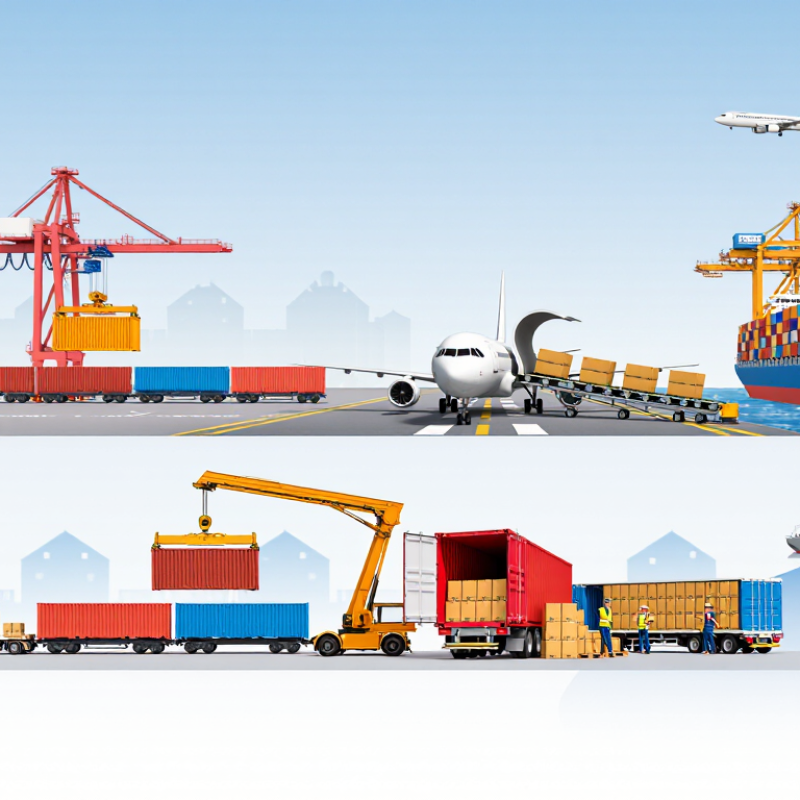
Road-based logistics transfer moves goods between warehouses, terminals, shops, and delivery points by truck or van. It suits short and medium distances, especially when cargo needs to reach places without direct rail or water connections. Routes can be adjusted as demand changes, but every extra stop adds handling time and another chance for delays.
Timing matters. A dispatcher may group nearby deliveries to reduce empty mileage, while leaving enough room for traffic, loading, and rest breaks. At a cross-dock, pallets are unloaded, sorted, and placed onto outgoing vehicles, sometimes within a few hours. Small details count. Clear labels, accurate quantities, and a record of visible damage help teams spot problems before goods move on. For chilled cargo, workers should also check the vehicle’s temperature before loading and during the journey.
Road transfer offers useful flexibility, yet it is exposed to congestion, weather, road closures, and limited parking. A route that looks efficient on a map may fail when a loading bay is busy. Planners can use live traffic information and realistic time windows, but estimates still tend to be optimistic. Reviewing actual arrival times and recurring delays helps improve the next schedule.
Rail-based logistics transfer moves freight between trucks and trains at intermodal terminals. Standard containers make the handoff practical: cranes lift them from chassis onto railcars, where they travel along established corridors. Rail can move large volumes over long distances with less road traffic and generally lower fuel use per tonne-mile. It suits shipments that can follow a planned schedule. Short journeys may not justify the extra terminal handling.
A reliable transfer starts with checking terminal locations, train departure times, and the final delivery window. Keep container dimensions and cargo details accurate, and confirm that trucks can reach both ends of the route. Build in time for loading and connection delays. Small timing gaps matter. Even careful plans can miss a connection, and rail service may be less flexible than direct trucking. That trade-off deserves honest attention.
Tips: Match the shipment’s volume and distance to the rail route. Ask how delays are communicated, and leave a realistic buffer before delivery. Track each handoff, not just the train’s progress. A simple shared timeline can help teams spot a missed scan or late pickup early.
Approximate freight moved per gallon of fuel, measured in ton-miles.
Freight rail can move a ton of goods much farther on the same amount of fuel than road freight, making it well suited to high-volume, long-distance transport. Trucks remain useful for flexible routes and final-mile delivery. Figures are approximate U.S. industry benchmarks; actual efficiency varies with load, route, terrain, and equipment.
Air freight transfer moves cargo between airports, usually connecting a collection point with a destination airport through one or more flights. It suits urgent, high-value, or time-sensitive shipments, but speed depends on more than flight time. Check-in cutoffs, screening, ramp handling, and customs processing all affect the schedule. A missed connection can leave a pallet waiting overnight. Fast, but not effortless.
The International Air Transport Association’s 2024 annual air cargo analysis reported that global air cargo demand, measured in cargo tonne-kilometers, rose 11.3% from 2023. Capacity grew 7.4%. This gap suggests demand grew faster than available space, so booking early can matter during busy periods. These figures describe the global market, not a guarantee for any route. An experienced logistics team should check flight frequency, transfer time, handling requirements, and contingency options before confirming a plan.
Tips: Share accurate cargo dimensions and weight before booking; small measurement errors can affect space allocation. Ask whether the quoted transit time includes airport handling and transfer waiting time. Keep a realistic buffer for tight connections. A neat schedule may still be fragile.
| Transfer Type | Typical Movement | Common Use | Transit-Time Profile | Key Considerations |
|---|---|---|---|---|
| Airport-to-Airport | Cargo is accepted at the origin airport and made available at the destination airport. | Shippers or receivers with their own arrangements for collection and delivery. | Air transit is generally fast; total elapsed time also depends on flight schedules, handling, customs clearance, and collection. | Usually excludes pickup and final delivery. Confirm cargo cut-off times, airport handling charges, and who is responsible for customs formalities. |
| Door-to-Airport | Cargo is collected from the sender and transported to the departure airport; the receiver collects it at the destination airport. | Senders needing origin pickup while the receiver can arrange destination collection. | Includes local pickup before the air journey; timing depends on pickup distance, cargo acceptance deadlines, and flight availability. | Check the origin pickup area, packaging requirements, export documentation, and destination collection deadline. |
| Airport-to-Door | Cargo is tendered at the departure airport and delivered to the recipient’s address after arrival. | Senders able to deliver freight to the airport but requiring local delivery at destination. | Air transit is followed by import handling and local delivery, which can add time after landing. | Delivery may depend on customs release, delivery-area coverage, and whether the quoted service includes duties and taxes. |
| Door-to-Door | Cargo is collected from the sender and delivered to the recipient’s address, with air transport between the origin and destination regions. | Shipments requiring coordinated pickup and final delivery through one service arrangement. | End-to-end timing includes pickup, export handling, flight transit, import clearance, and delivery. | Confirm the service scope, customs responsibilities, delivery address limits, and any excluded charges. |
| Direct or Priority Air Freight | Cargo is booked on a direct flight where available, or routed with priority handling on a suitable air service. | Time-sensitive, high-value, or urgent shipments that meet airline acceptance requirements. | Can reduce routing or handling time, but actual arrival depends on flight schedules, capacity, and operational conditions. | “Direct” does not always mean nonstop. Verify the routing, service commitment, shipment cut-off, and handling conditions. |
| Consolidated Air Freight | Shipments from multiple consignors are grouped for air transport and separated for delivery at destination. | Smaller consignments that do not need to occupy an entire aircraft or dedicated capacity. | May take longer than priority service because consolidation and deconsolidation add handling steps and scheduling dependencies. | Rates commonly depend on chargeable weight, which considers both actual weight and shipment volume. |
| Air Charter | All or part of an aircraft’s capacity is arranged for a specific shipment or operational requirement. | Oversized, urgent, unusual, or large-volume cargo when scheduled services are unsuitable or unavailable. | Can offer greater control over departure timing, subject to aircraft availability, permits, airport access, and operational planning. | Typically involves higher cost and specific requirements for cargo dimensions, loading equipment, route permissions, and safety documentation. |
| Note: Transit times and service availability vary by route, flight schedules, cargo characteristics, customs processing, and local delivery arrangements. Service names and inclusions can differ between providers. | ||||
Sea and inland waterway transfer connects ocean shipping with rivers, canals, and coastal routes. A container can arrive at a seaport, then move by barge to a terminal nearer its destination. This can reduce long-distance truck travel, especially for regular, high-volume shipments. It is slower than direct road transport. That trade-off matters.
A smooth transfer depends on more than a vessel and a dock. Terminals need suitable cranes, storage space, and reliable connections for the next leg of the journey. Water levels, locks, fog, and port congestion can all affect arrival times. A low river may force vessels to carry less cargo, or delay a sailing altogether. Schedules need breathing room.
For heavy materials, containers, and other non-urgent freight, waterways can offer efficient capacity over long distances. They may be less suitable when delivery windows are tight or the destination has no nearby terminal. Planners should compare handling fees, inland transport costs, and likely delays—not just the vessel rate. A cheaper route on paper can become costly after a missed connection. Even careful plans need a backup. The weak point is often the handoff between transport modes, where clear schedules and cargo records help prevent avoidable confusion.
Intermodal and multimodal logistics both move freight using more than one mode, such as truck, rail, and ship. The key difference is how the journey is managed. In intermodal transport, goods usually remain in the same container as they transfer between modes, while separate carriers may handle different legs. This can reduce cargo handling, but coordination between carriers needs attention. One missed rail connection can leave a container waiting at a terminal for hours.
Multimodal transport generally places the full journey under one transport contract, with one operator coordinating the modes. That can simplify communication when a shipment moves from a factory dock to a rail terminal, then onward by truck. The container may stay intact, but the paperwork and responsibility structure differ from a typical intermodal arrangement. Details vary by provider and route, so shippers should confirm who manages delays, tracking, and claims before booking.
Good planning starts with the cargo’s dimensions, delivery window, and tolerance for delay. A tight schedule may not suit a route with several transfers. Build in realistic connection time, and check whether terminals can handle the container type. Small details matter. In practice, estimates can still miss congestion or weather disruptions; reviewing actual transit records helps improve future plans.